


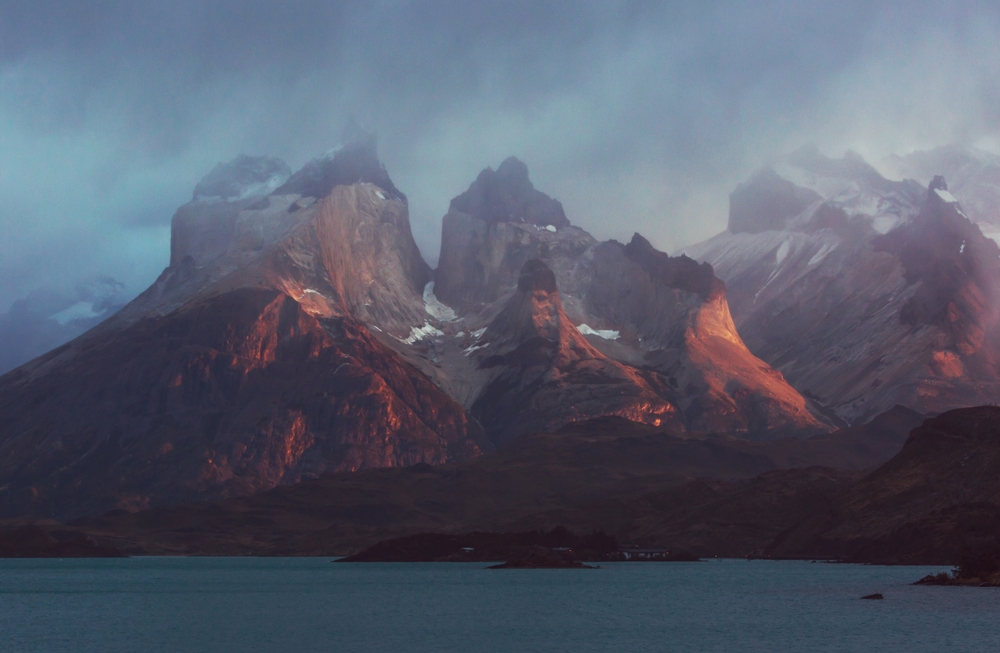
A sudden blizzard struck the O Circuit in Torres del Paine on 17 November, killing five hikers and stranding dozens.
About 30 international tourists left Los Perros campsite early that morning to cross John Garner Pass.
Light rain and moderate winds turned into whiteout conditions as they climbed above the treeline, reducing visibility to mere metres.
The O Circuit spans 130–140 km and ranks among Patagonia’s most difficult multi-day trekking routes.
Hikers became separated as some retreated while others pressed upward, unaware of how fast the storm strengthened.
Five trekkers died: Cristina Calvillo Tovar, Julian Garcia Pimentel, Nadine Lichey, Andreas von Pein, and Victoria Bond.
Survivors found their bodies near the top of the pass, where wind, snow, and cold made descent impossible.
Park Warning Systems Failed
Survivors said staff provided no clear warnings about worsening conditions and claimed forecasts showed only moderate winds.
Officials left the route open despite signs of a storm approaching, contributing to confusion and risk.
No trained personnel coordinated rescues, forcing stranded hikers to organize first aid and evacuation themselves.
CONAF, Chile’s National Forestry Corporation, oversees trail safety, access control, and closures in Torres del Paine.
Official guides advise hikers to check in with rangers and follow instructions for safe trekking.
Ranger Shortages Worsen Risks
No rangers were present near John Garner Pass when the blizzard struck, leaving tourists to navigate dangerous conditions alone.
Many rangers were off duty to vote in the 2025 Chilean presidential election, reducing staff presence by half.
CONAF confirmed the critical sector had no rangers, and only 51 personnel worked across the park that day.
Chile’s national park system operates with just 450 qualified rangers for 13.2 million hectares, creating chronic staffing gaps.
Past reports show many parks in Patagonia rely on tiny teams, sometimes fewer than five employees.
In June 2025, thousands of CONAF staff struck nationwide over administrative issues and lack of resources.
In Argentina, rangers resigned en masse due to problems with the new national park administration under Javier Milei.
