


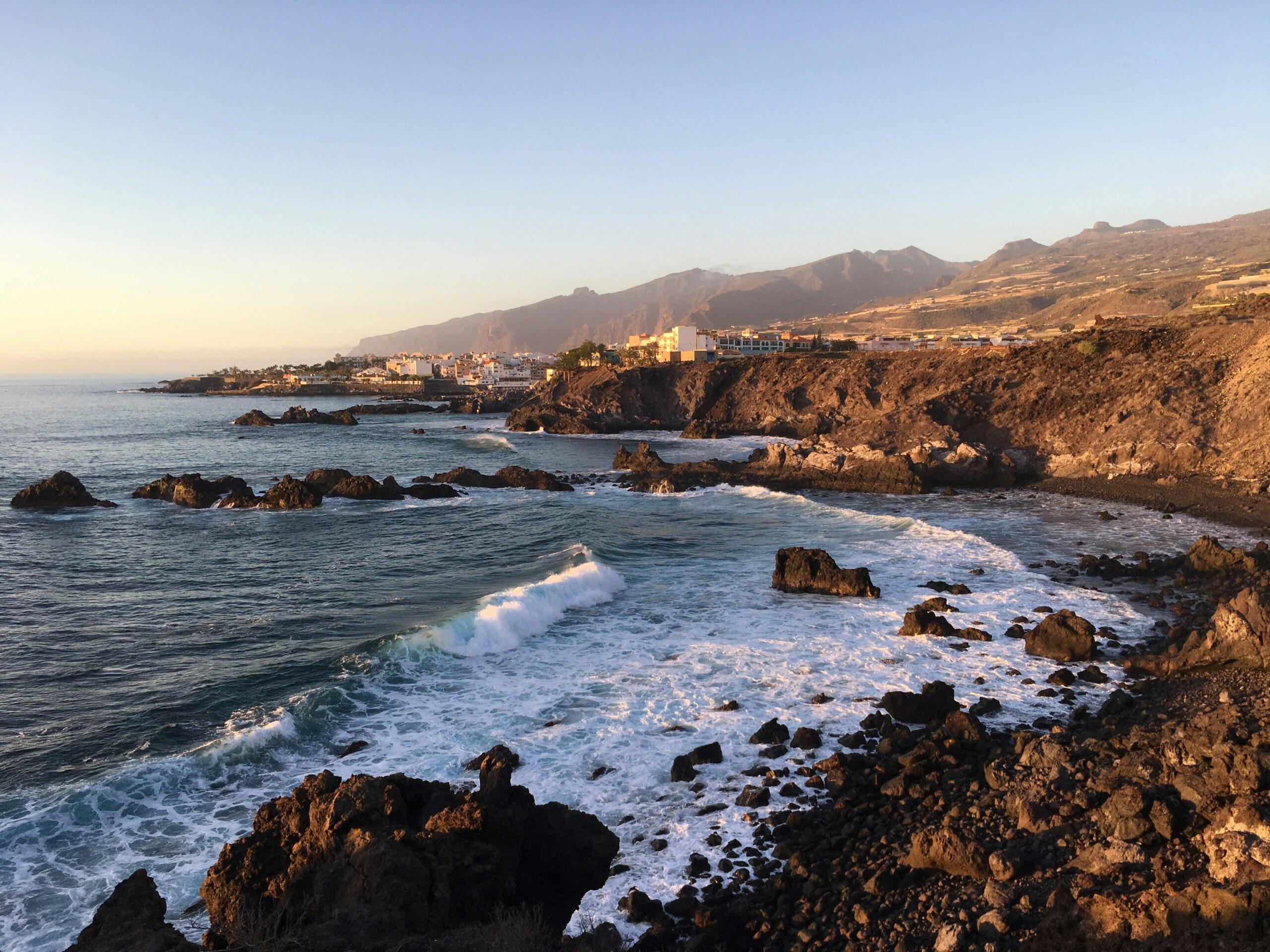
The Canary Islands shattered visitor records again this year despite growing overtourism backlash and new control measures.
Fresh August data shows how overwhelmed the islands have become by the tourist influx.
Authorities introduced restrictions across the archipelago, yet arrivals continue to climb sharply.
Tourism experts now warn that the islands are nearing unsustainable capacity.
Record-Breaking Influx Fuels Economic and Environmental Strain
In August, the Canary Islands welcomed 1.23 million foreign visitors, the highest total ever recorded for that month.
The number rose six percent compared to August 2024, even during the islands’ hottest season.
From January to August 2025, over 10 million international tourists visited, ranking the Canaries third in Spain.
Nearly half a million visitors arrived from the United Kingdom, with Germans also contributing heavily.
Tourism accounts for about 35 percent of the region’s GDP, making it vital yet increasingly controversial.
Located off Africa’s northwest coast, the islands attract travelers year-round with warm weather and varied landscapes.
The seven main islands—Tenerife, Fuerteventura, Gran Canaria, Lanzarote, La Palma, La Gomera, and El Hierro—offer beaches, volcanoes, and forests.
Despite accessibility from across Europe, Ryanair’s recent flight cancellations may slightly affect arrivals.
Locals, however, have protested against mass tourism, citing environmental pressure and unaffordable housing.
Authorities Introduce Eco-Taxes and Tourism Controls
Officials plan to impose an “eco-tax” on hikes in Tenerife’s Teide National Park starting in 2026.
The park, home to the Teide-Pico Viejo volcano, ranks as the islands’ most visited natural site.
The base fee will be about €25, with specific trail prices varying by route and guidance level.
An unguided summit hike will cost €15, while guided tours will be €10.
The Montaña Blanca–Rambleta trail will charge €6 on weekdays and €10 on weekends or holidays.
Tenerife residents and children under 14 will enter for free, while Canary Islands residents get discounted access.
Tenerife’s president Rosa Dávila said, “Teide is our crown jewel; we must protect it for future generations.”
Other islands also pursue limits on overtourism through stricter rental laws and daily tourist fees.
Gran Canaria’s Mogán introduced a €0.15 daily charge in January to offset visitor impact.
El Hierro continues promoting sustainable tourism, with no direct flights and limited accommodation options.
The region enforces high fines for public drinking and bans smoking on beaches to discourage excessive partying.
