


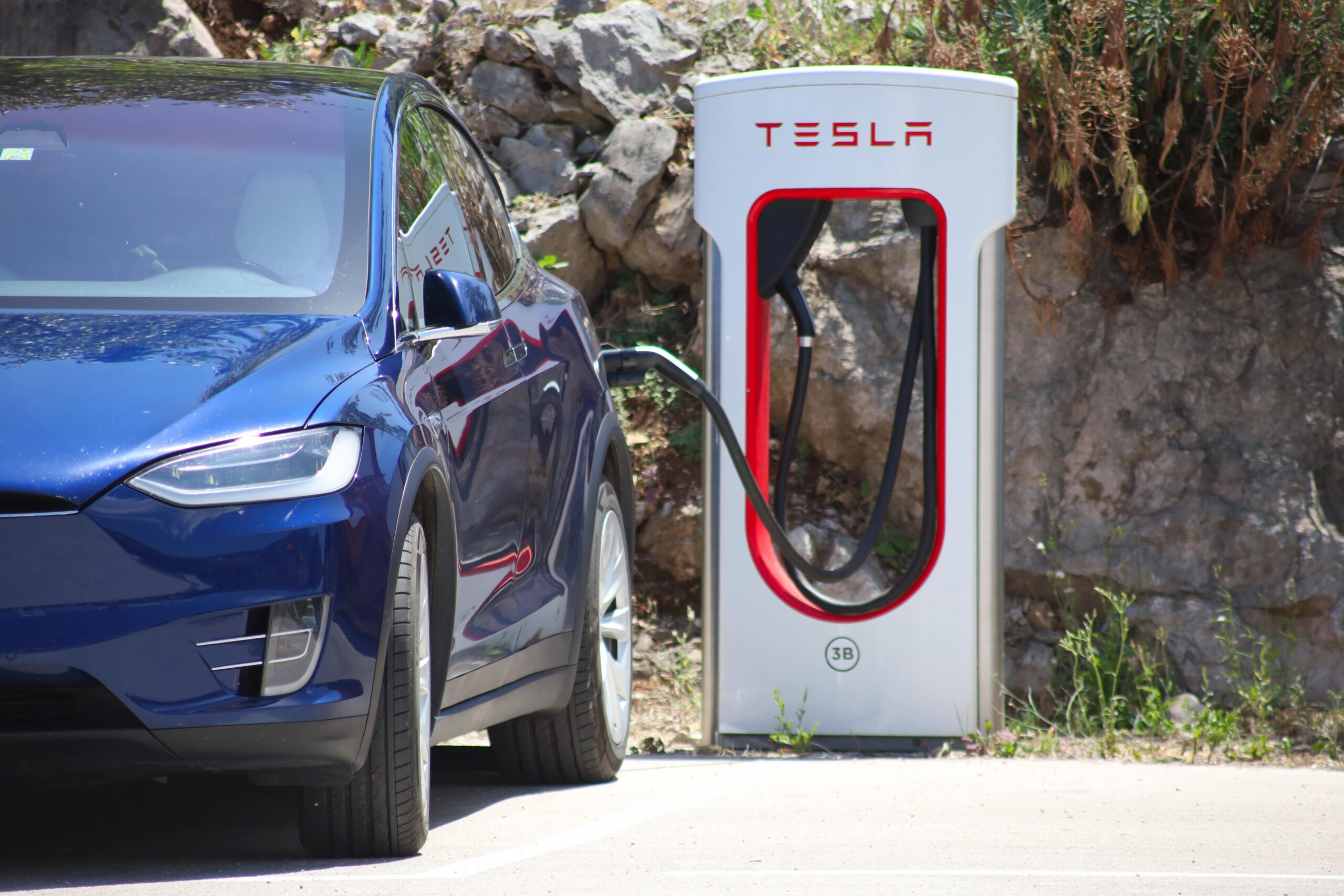
Tesla celebrated its highest-ever quarterly revenue, yet profits plunged sharply. The electric car maker faced mounting costs from tariffs, research spending, and growing competition across global markets.
Revenue hits all-time high, profits decline sharply
In the quarter ending in September, Tesla reported $28 billion (£21 billion) in revenue, up 12% from the previous year. Despite this record figure, profits fell 37%. The decline came as the company absorbed higher import tariffs and rising research expenses tied to new technology projects.
Investors reacted with concern. Tesla’s shares fell 3.8% in after-hours trading after the results were released. Still, its market value remains close to $1.4 trillion, supported by faith in Elon Musk’s push into artificial intelligence and robotics.
Tax credit deadline fuels sales surge
Tesla ended its streak of falling sales after American buyers rushed to purchase cars before a federal tax credit of up to $7,500 expired in September. The rush lifted Tesla’s quarterly numbers but did not outpace competitors. Ford and Hyundai reported even stronger sales growth during the same period.
Tesla also launched a six-seat version of its best-selling Model Y, which proved particularly popular in China. The company supported sales with incentives such as five-year interest-free loans and insurance subsidies.
Tariffs and tech spending cut into profits
Tesla continues to face heavy costs from US tariffs on imported car parts and raw materials imposed under President Donald Trump. Finance chief Vaibhav Taneja told investors that these tariffs cost Tesla more than $400 million last quarter.
Research and development spending also grew, especially on artificial intelligence initiatives. Taneja said Tesla would keep increasing its investment in this area as it builds toward greater automation and advanced driver technology.
New lower-cost models fail to excite investors
In October, Tesla introduced cheaper versions of its Model Y and Model 3 in the US, each priced about $5,000 less than earlier models. The move aimed to maintain demand after the expiration of federal incentives.
Yet markets reacted coolly. Tesla’s stock slipped further as investors saw little innovation in the new models. Analysts say the company’s slow rollout of affordable vehicles has given competitors more room to gain ground in the fast-growing electric car industry.
