


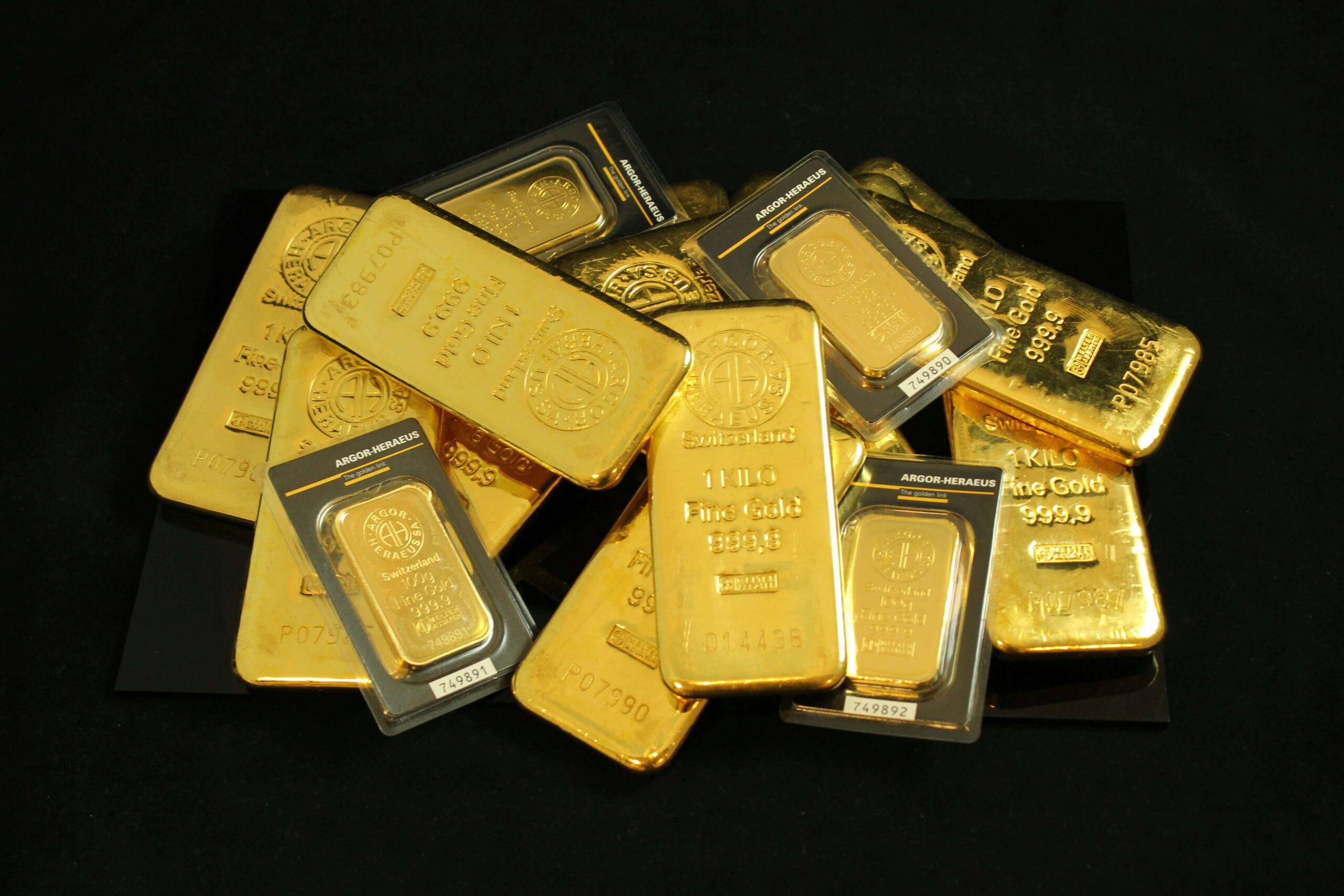
Poland’s central bank has significantly boosted its gold reserves, lifting total holdings to around 550 tonnes with an estimated value exceeding €63 billion. The move reflects a long-standing strategy by the National Bank of Poland (NBP) to strengthen financial stability by relying more heavily on assets seen as resilient during times of economic stress.
Why Gold Matters to Poland
NBP president Adam Glapiński has repeatedly stressed that gold holds a unique place in the country’s reserves. Unlike other assets, it carries no credit risk, is unaffected by the monetary policies of foreign governments, and tends to hold its value during financial shocks. According to the central bank, a strong gold position helps underpin confidence in the wider Polish economy.
The shift has been rapid. In 2024, gold made up just under 17% of Poland’s foreign exchange reserves. By the end of 2025, that figure had jumped to more than 28%, representing one of the fastest structural changes among central banks globally. Much of the buying took place during the final months of 2025, a period marked by market turbulence and rising geopolitical tensions. Glapiński has since announced plans to push reserves even higher, with a long-term target of 700 tonnes.
Following a Global Trend
Poland’s approach mirrors a broader international pattern. Data from the World Gold Council shows that central banks continued to accumulate gold throughout 2025, viewing it as a strategic shield against currency instability and financial crises. Nearly all central banks surveyed expect global gold holdings to rise further.
Marta Bassani-Prusik of the Mint of Poland points out that diversification is a key driver behind these decisions, along with a desire to reduce reliance on the US dollar and other major currencies. Some experts also note that not all purchases are fully disclosed, with countries such as China and Russia often cited as examples. For some analysts, this signals preparation for a future financial system in which gold plays a more prominent role.
More Gold Than the ECB — and What Comes Next
Poland’s growing stockpile has now surpassed that of the European Central Bank, which holds around 506.5 tonnes. While the ECB oversees eurozone monetary policy, most bullion is actually held by national central banks, making Poland’s position particularly notable within Europe’s financial framework.
The buying spree has coincided with record-high gold prices, and forecasts for 2026 remain upbeat despite expectations of slower growth. Major banks predict prices ranging from just over $4,000 to more than $5,000 per ounce under strong demand scenarios. Supporters argue that gold’s role as a safe haven justifies the strategy, especially amid global uncertainty. Critics, however, say the funds could generate income if invested elsewhere, noting that gold itself does not pay interest.
Even so, reaching 550 tonnes appears to be just another step rather than the final destination. With further purchases planned, Poland is positioning gold as a cornerstone of its long-term financial security in an increasingly unpredictable world.
