


Eight Countries Cleared for Major Defence Loans
The European Commission has approved defence investment plans from eight EU countries under a new €150 billion loan scheme designed to rapidly strengthen Europe’s military capabilities. Estonia, Greece, Italy, Latvia, Lithuania, Poland, Slovakia and Finland will together access €74 billion through the Security Action for Europe (SAFE) programme, with Poland alone requesting €43.7 billion.
SAFE is a core element of the EU’s Readiness 2030 strategy, which aims to channel up to €800 billion into defence before the end of the decade. The drive comes as intelligence agencies warn that Russia could pose a direct military threat to another European country within that timeframe.
This marks the second round of approvals. In January, the Commission cleared €38 billion in plans from Belgium, Bulgaria, Denmark, Spain, Croatia, Cyprus, Portugal and Romania.
Turning Strategy Into Military Strength
EU Defence Commissioner Andrius Kubilius said the latest approvals show Europe is now backing its security goals with real financial commitment. He said the SAFE investments send a strong message that Europe is serious about its strength, sovereignty and military readiness, both to its defence industry and to potential adversaries.
So far, 19 EU member states have applied for SAFE funding, with initial allocations agreed last September. Investment plans from Czechia, France and Hungary are still awaiting approval.
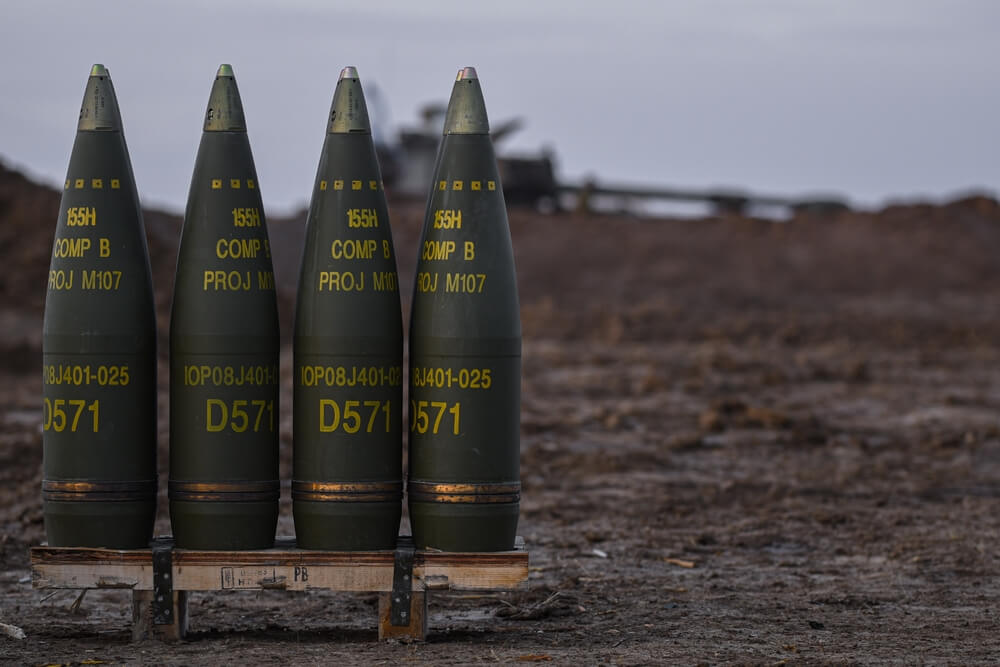
The programme is intended to accelerate the purchase of key defence equipment, including ammunition, missiles, artillery, drones, air and missile defence systems, cybersecurity tools, artificial intelligence and electronic warfare capabilities.
Supporting European Industry and Faster Spending
A key requirement of SAFE is that most of the equipment purchased must be made in Europe. At least 65% of component costs must come from the EU, EEA-EFTA countries or Ukraine, while Canada will also be eligible under a separate agreement with the bloc.
The scheme is especially attractive for countries with weaker credit ratings, as borrowing through the European Commission allows them to secure better interest rates. Germany, which has a similar credit rating to the Commission, chose not to apply for SAFE funding.
EU ministers now have four weeks to formally sign off on the approved plans, with the first payments expected in March 2026. European Commission President Ursula von der Leyen has previously said the scheme could be expanded, noting that demand has already exceeded the €150 billion currently available.
