


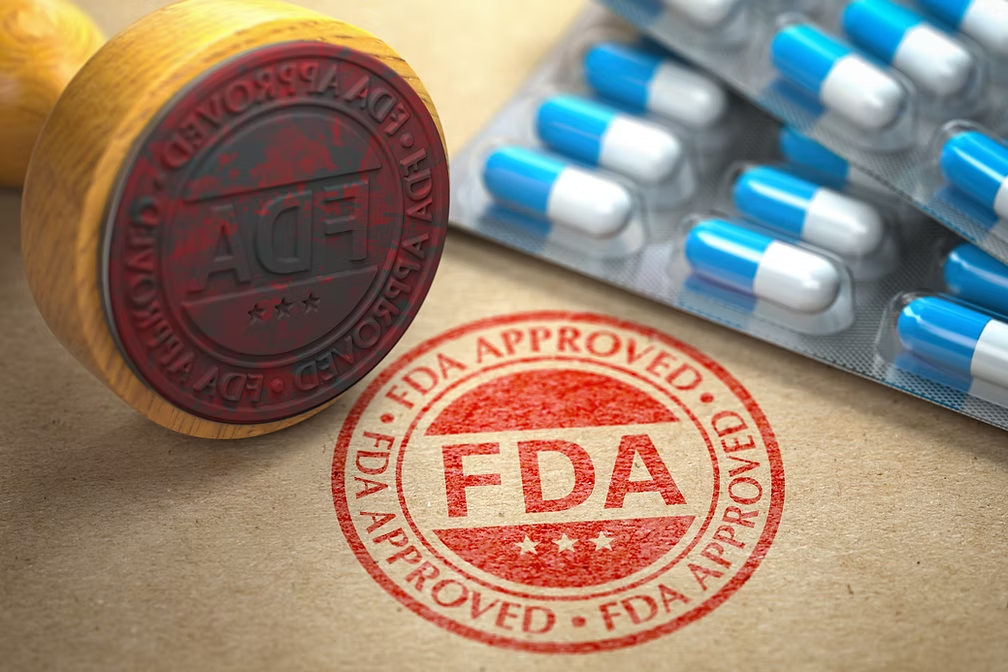
The biosimilar drug access in the United States is expanding after new approvals from the U.S. Food and Drug Administration. These new medicines are designed to be highly similar to existing biological drugs. They offer the same treatment benefits at a lower cost.
Biosimilars are important for patients with long-term conditions. They are often used to treat diseases like osteoporosis, arthritis, and certain immune disorders. Many of these conditions require expensive ongoing treatment. Lower-cost options can make care more reachable for more people.
The recent approvals focus on osteoporosis and other chronic health conditions. These drugs are expected to increase competition in the pharmaceutical market. This often leads to lower prices and better access for patients.
The biosimilar drug access trend is growing as more companies enter the market. Regulatory bodies like the U.S. Food and Drug Administration carefully review these medicines before approval. They ensure that biosimilars match the original drugs in safety and effectiveness.
Experts say biosimilars are not exact copies of original biologic drugs. However, they are highly similar in structure and performance. This makes them a safe and effective alternative for many patients under medical supervision.
Doctors believe wider use of biosimilars could reduce healthcare costs significantly. Many biological treatments are very expensive. Patients sometimes skip or delay treatment due to high prices. Biosimilars may help solve this problem.
Pharmaceutical competition is also increasing. Companies such as Amgen and Pfizer are active in the biosimilar space. They are developing and producing new versions of established biologic medicines.
Osteoporosis is one of the key conditions targeted by these new approvals. It is a disease that weakens bones and increases fracture risk. It is especially common in older adults. Long-term treatment is often needed to manage it.
Health experts say improving access is critical. Many patients in the U.S. struggle with medication costs. Biosimilars offer a way to maintain treatment without financial pressure. This may improve long-term health outcomes.
The FDA review process is strict. Each biosimilar must prove that it works in the same way as the original drug. It must also show no meaningful differences in safety or effectiveness. This ensures patient trust in these new treatments.
Experts say biosimilars can also reduce pressure on health insurance systems. Lower drug prices may reduce overall spending. This could allow insurers to cover more patients and more treatments.
Patient education is also important. Some patients are unfamiliar with biosimilars. Doctors will need to explain how these medicines work. Clear communication can help increase acceptance and trust.
The biosimilar drug access expansion also supports global trends. Many countries are encouraging biosimilar use to reduce healthcare costs. The U.S. is now increasing its adoption as more approvals are granted.
Researchers believe more biosimilar drugs will be approved in the coming years. These may include treatments for cancer, diabetes-related complications, and autoimmune diseases. The pipeline is growing steadily.
Experts also highlight the importance of supply stability. Biosimilars can help reduce shortages of critical medicines. More manufacturers mean more reliable supply chains for patients.
Cost savings remain one of the biggest benefits. Patients may pay significantly less for biosimilars compared to original biologic drugs. This can improve treatment consistency and reduce missed doses.
Healthcare providers are preparing for increased use of these medications. Hospitals and clinics are updating treatment guidelines. They aim to ensure smooth transitions from original drugs to biosimilars when appropriate.
The biosimilar drug access expansion marks an important shift in modern healthcare. It combines affordability with proven medical effectiveness. Experts say this trend will continue to grow as more approvals are granted.
In the coming years, biosimilars may become a standard part of treatment plans. Patients could benefit from more choices, lower costs, and better access to essential medicines.
