


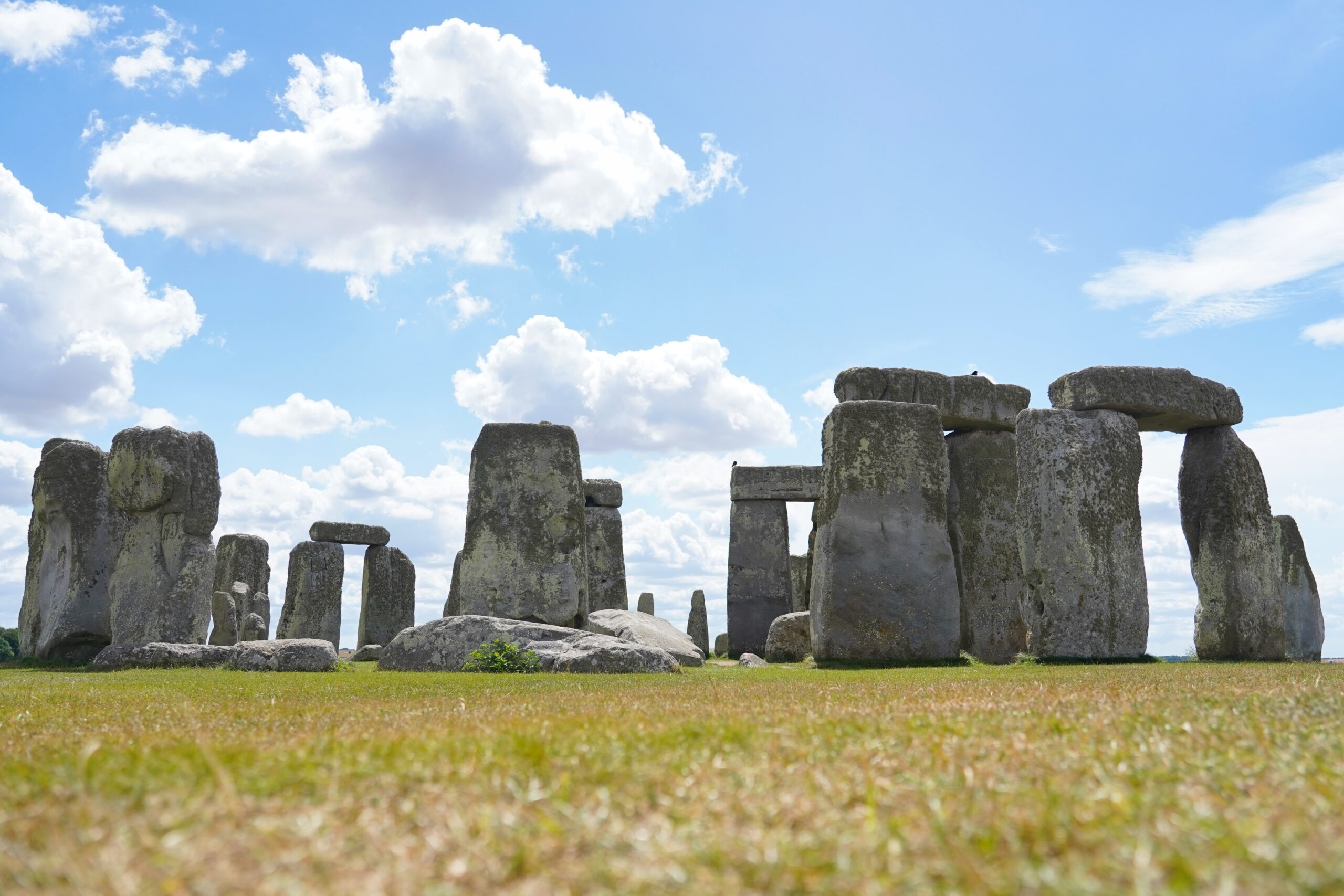
Archaeologists say they have confirmed that a vast circle of deep pits near Stonehenge was carved by Neolithic people more than 4,000 years ago.
The Durrington pit circle, believed to contain around 20 huge pits spread over more than a mile, was first identified in 2020 but faced scepticism, with some experts suggesting the features were natural. New research using advanced techniques has now strengthened the case for human construction.
Scientists combined ground-penetrating radar, magnetometry and electrical resistance scans to map the pits’ size and shape, before analysing soil cores using luminescence dating and ancient environmental DNA. The team found consistent, repeating patterns in the sediments that they say could not have formed naturally.
Professor Vincent Gaffney of the University of Bradford described the findings as evidence of an “extraordinary structure” and said the monument may have reflected Neolithic beliefs about an underworld. The pits are thought to date back to the late Neolithic period, though their exact purpose remains unknown.
