


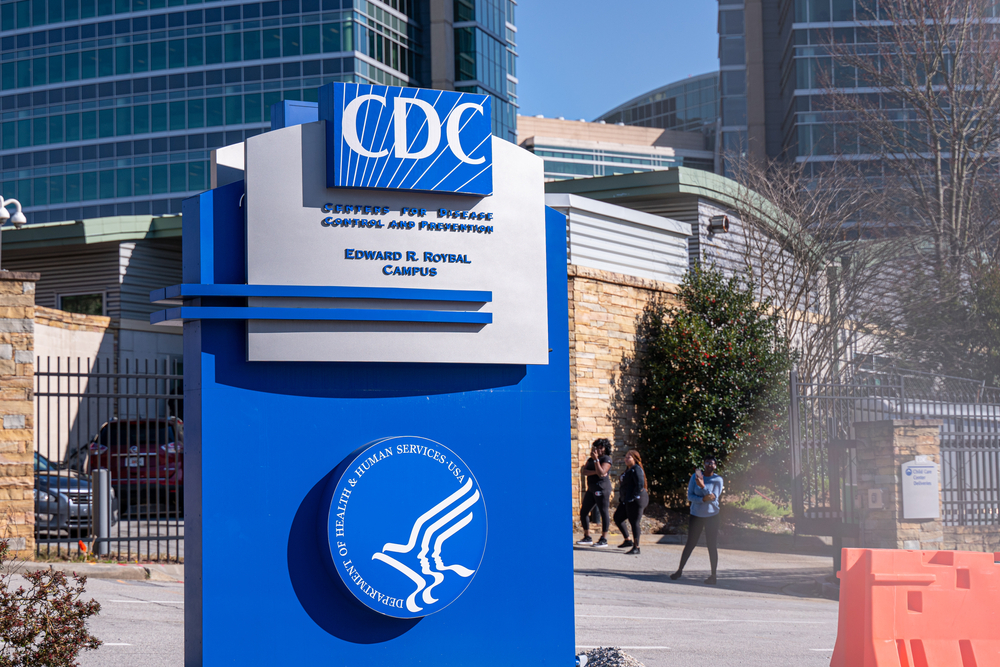
Website Shift Sparks Immediate Concern
The CDC changed major sections of its website on Wednesday. The new text questions long-established scientific findings about vaccines. It suggests that studies have not ruled out a link between vaccines and autism. Experts say these claims are misleading and unsupported.
Doubt Through Strategic Language
The updated bullet points argue that the phrase “vaccines do not cause autism” lacks evidence. The wording implies gaps in infant vaccine studies. Specialists call this a tactic that spreads uncertainty. Alison Singer from the Autism Science Foundation says science relies on clear and repeated results. She explains that no study can prove an absolute negative. She says researchers instead point to the strength and consistency of the evidence.
Singer notes that data overwhelmingly show vaccines do not cause autism. Her foundation says no environmental factor has been examined more extensively than vaccines and their ingredients.
Scientists Challenge the New Claims
Pediatrician Paul Offit disagrees strongly with the site’s new direction. He says scientific research can never prove “never.” He warns that the same logic could unfairly cast suspicion on everyday foods. A spokesperson for the health department says the CDC website will reflect high-quality scientific standards.
A senior FDA commissioner told Sanjay Gupta in a recent podcast that he does not believe vaccines cause autism. He says no treatment is perfectly risk-free. He warns that extreme statements undermine trust and confuse the public.
Research Shows No Link
The new CDC page claims authorities ignored studies suggesting a connection. This is incorrect. Research that once claimed a link was poorly done or fraudulent. Many strong studies show no relationship at all.
A major Danish study from 2019 followed more than 650,000 children. About 6,500 were diagnosed with autism. The study found no difference in autism rates between vaccinated and unvaccinated children. The result held across many variables, including family history and exposure to other vaccines. The authors concluded that the MMR vaccine does not increase autism risk.
The CDC’s updated page does not include this study. It instead cites older reviews and raises questions about aluminum. A 2025 Danish study found no link between aluminum in childhood vaccines and 50 health conditions. The site still argues that the findings need further study.
The page also highlights a federal investigation into autism causes. Singer calls the effort unnecessary and wasteful. She says evidence strongly points to genetic origins.
The main heading still states that vaccines do not cause autism. A footnote says it remains due to an agreement made during the health secretary’s confirmation hearing.
A senator later confirmed that he discussed the issue with the secretary. He stresses that parents need accurate and direct information. He says vaccines for measles, polio, and hepatitis B are safe and do not cause autism.
Warnings Over Public Health Impact
Vaccine expert Peter Hotez says the CDC’s new content repeats old and disproven claims. He cites earlier misinformation about MMR vaccines, thimerosal, and aluminum. He calls the new page dangerous disinformation. He urges immediate removal.
A former CDC immunization leader wrote that the changes are “a national embarrassment.” He says CDC scientists were not informed. He explains that actions like these contributed to recent resignations. Other experts warn that such steps damage trust in public health guidance.
Political Pressure Shapes Vaccine Messaging
The updates follow broader efforts by the administration to challenge long-standing vaccine policy. The health secretary selected advisers with a long history of opposing vaccines. Some have records of unreliable research or professional misconduct. They now re-examine federal data to support conspiracy-driven claims.
Childhood vaccination rates in the US continue to fall. Diseases like measles and whooping cough are rising again. CDC disease specialists warned this week that the US may lose its status as a country without continuous measles transmission.
