


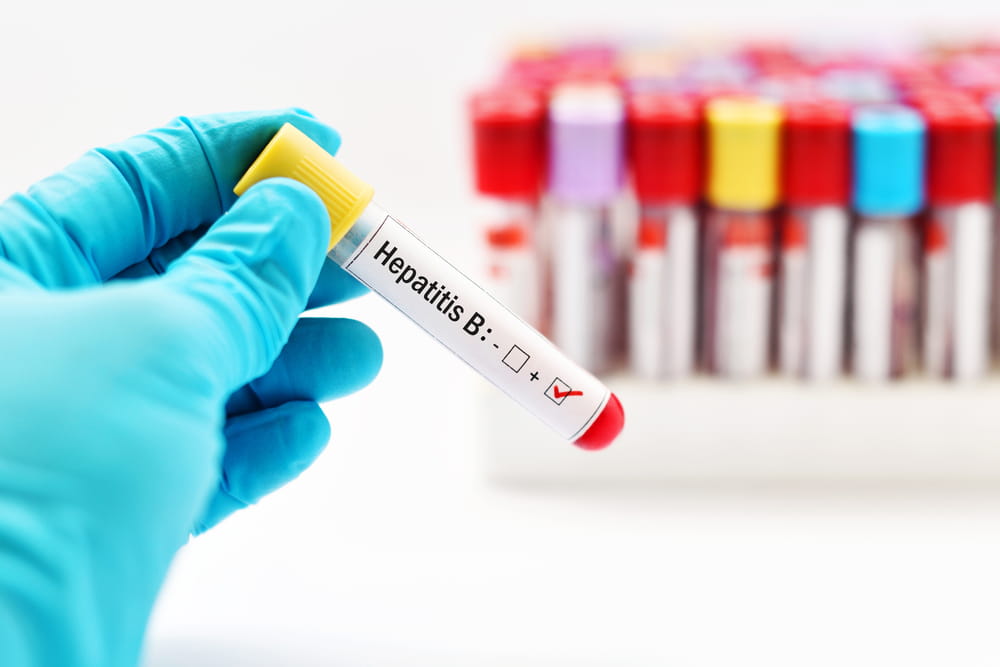
A controversial US-funded study on hepatitis B vaccines for newborns in Guinea-Bissau has been cancelled following widespread criticism over its ethical design. The decision was confirmed by Yap Boum, a senior official at the Africa Centres for Disease Control and Prevention, who said the trial raised serious concerns about withholding a proven, life-saving vaccine from thousands of infants in a country with a high burden of hepatitis B.
The $1.6m study was funded under the authority of Robert F Kennedy Jr, a longtime vaccine sceptic and current head of the US Department of Health and Human Services. Critics argued the trial would have randomly denied half the participating newborns access to the hepatitis B birth-dose vaccine, despite its established effectiveness. Boum said Africa CDC supported evidence-based research but only “within the norm”, adding that the study’s design posed “a big challenge” ethically.
Confusion remains over whether a redesigned version could proceed. While some officials in Guinea-Bissau initially suggested the trial might continue in altered form, a senior government official later confirmed in a letter that the study had been cancelled outright due to ethical concerns. Guinea-Bissau will maintain its current vaccination schedule until a universal birth-dose programme begins in 2027.
Medical ethicists and researchers welcomed the cancellation. Paul Offit of the Children’s Hospital of Philadelphia compared the trial to the Tuskegee syphilis experiment, saying it would have knowingly deprived children of a vaccine that could save their lives. Boghuma Titanji of Emory University said the decision was “a win for advocacy” and a sign that African institutions are increasingly pushing back against unethical research practices.
Hepatitis B affects about 18% of adults and 11% of infants under one in Guinea-Bissau, with early infection carrying a high risk of lifelong liver disease and cancer. Critics argued the study funds should instead have been used to vaccinate as many newborns as possible, rather than testing a design they said exploited vaccine scarcity.
