


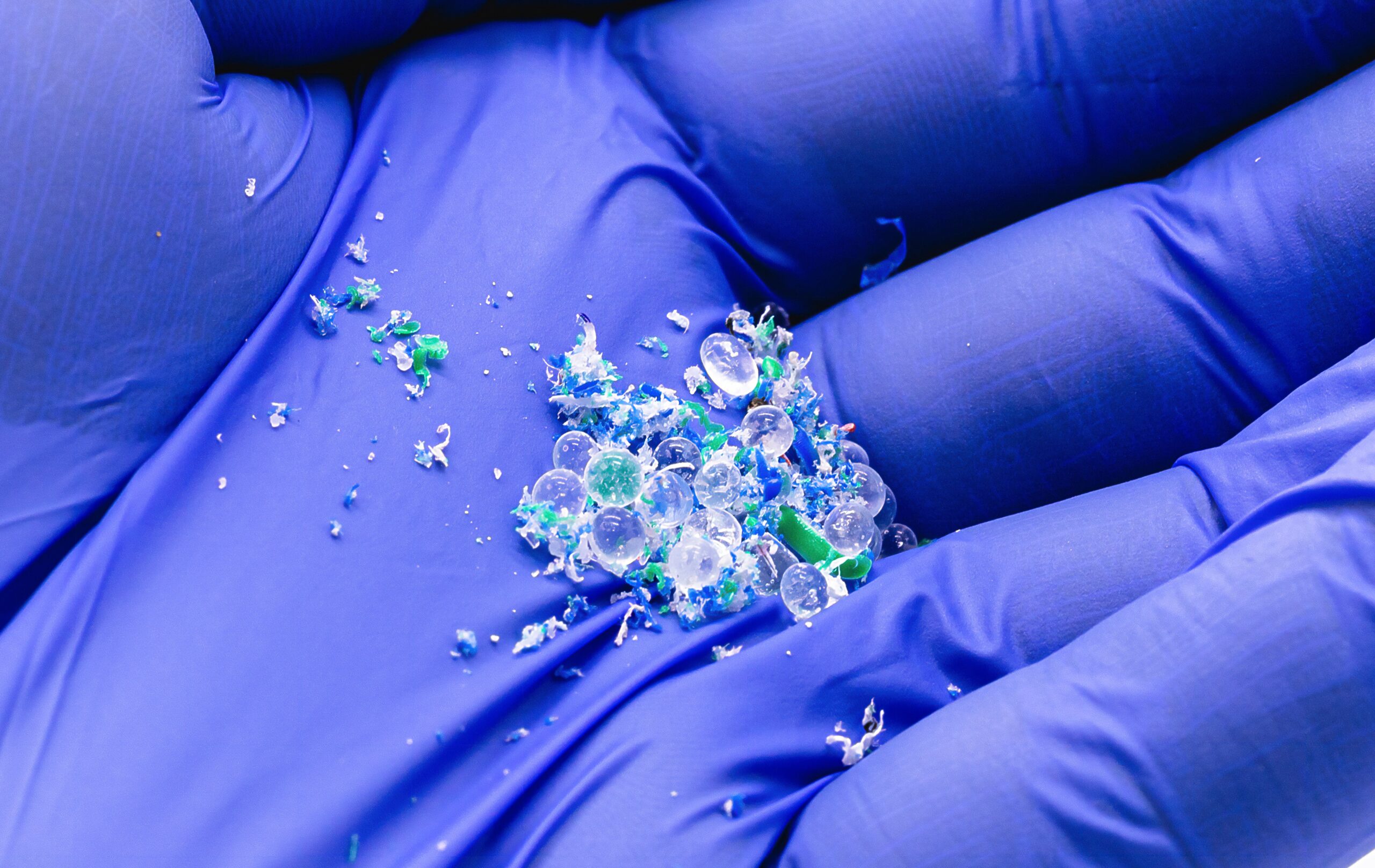
Microplastics are everywhere — in our blood, lungs, guts, even our brains. Scientists estimate we may carry about 5g of plastic inside us. What this means for our health is unclear, but early studies raise concern.
Researchers in Austria found microplastics can alter gut bacteria in ways linked to depression and cancer. “Reducing exposure is a wise precaution,” said Dr Christian Pacher-Deutsch.
The particles, shed from packaging, clothes and tyres, can slip through organs and cells. “We’re finding them in almost every tissue,” said Dr Jaime Ross, whose mouse studies showed brain changes and unusual behaviour after exposure.
Plastic has also been detected in human brains and arteries, raising risks of heart attack and stroke. Still, experts urge caution. “We don’t yet know how harmful they really are,” said Prof Stephanie Wright.
Smaller particles seem most dangerous, and scientists suspect our bodies might still be able to clear some of them over time.
How to Cut Your Exposure
- Avoid heating food or drinks in plastic.
- Use glass or steel containers and wooden boards.
- Choose loose-leaf tea and natural fabrics.
- Check cosmetics for plastic ingredients.
- Keep windows shut in heavy traffic.
We can’t escape plastic entirely — but we can start reducing its hold on our lives.
