


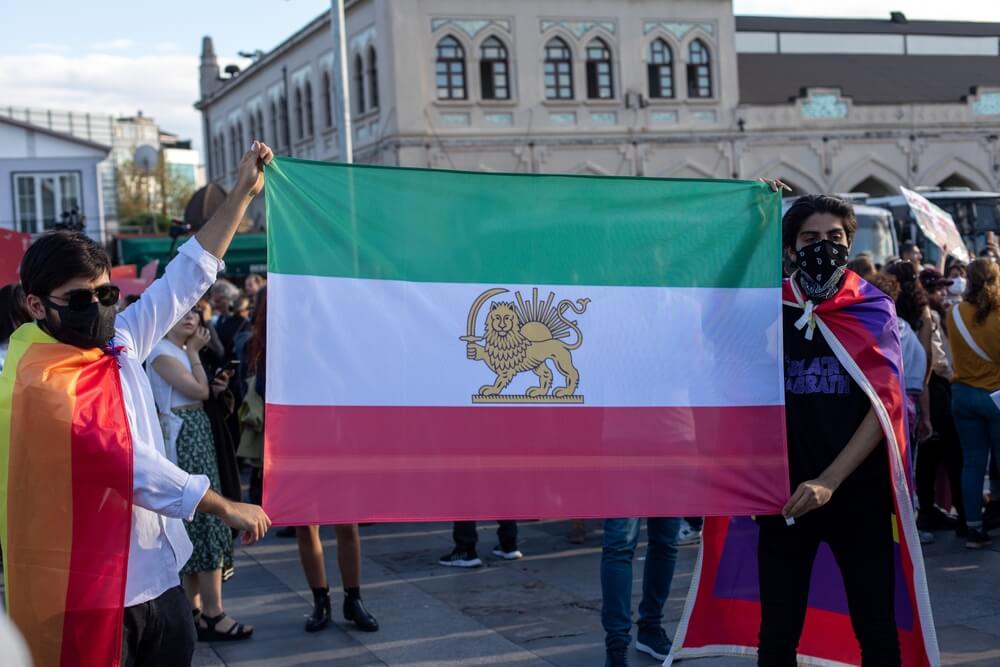
Iran’s protest movement took a dramatic turn on Thursday night as demonstrations spread across Tehran and other cities, with internet and phone services abruptly shut down amid growing unrest.
Night-time Protests Sweep the Capital
Witnesses said residents in Tehran poured into the streets and shouted slogans from rooftops after exiled crown prince Reza Pahlavi called for mass demonstrations at 8pm local time. As the hour struck, chants echoed through neighbourhoods across the capital, including cries of “Death to the dictator!” and “Death to the Islamic Republic!”
Some protesters went further, openly praising the former monarchy — a move that would once have risked severe punishment — shouting slogans such as, “This is the last battle! Pahlavi will return!” Thousands were seen gathering in public spaces as anger over economic hardship and political repression boiled over.
The demonstrations marked the latest escalation in protests that began in late December over Iran’s worsening economy and have since spread nationwide.
Internet Blackouts and a Rising Death Toll
Almost immediately after the protests began, Iran experienced widespread internet and phone outages. Cloudflare and the advocacy group NetBlocks both reported major disruptions, which they attributed to government interference. Calls to Iran from abroad, including from Dubai, could not be connected — a familiar pattern that has often preceded harsh security crackdowns.
According to the Norway-based Iran Human Rights organisation, at least 45 demonstrators have been killed by Iranian security forces since the protests began. Separately, the US-based Human Rights Activists News Agency said at least 39 people have died in protest-related violence and more than 2,260 have been detained.
Markets and bazaars in several cities closed in solidarity with protesters, further underlining the scale of dissent and the growing pressure on Iran’s leadership.
Leadership Questions and International Reactions
The demonstrations were widely seen as the first real test of whether Reza Pahlavi could influence events inside Iran. In a statement, he urged Iranians to unite and make their demands heard, warning authorities that the world was watching.
“I warn the Islamic Republic, its leader and the Revolutionary Guard that suppression of the people will not go unanswered,” Pahlavi said, referencing international scrutiny, including from US President Donald Trump.
Despite the momentum, analysts note the protest movement remains largely leaderless — a factor that has weakened past uprisings. “The lack of a viable alternative has undermined previous protests in Iran,” wrote Nate Swanson of the Atlantic Council, pointing out that many potential leaders have been jailed, exiled or silenced.
Iranian officials have not acknowledged the true scale of the protests, though state-linked media suggested security forces could use drones to identify demonstrators. Meanwhile, Trump has warned Tehran against violently suppressing peaceful protests, drawing sharp criticism from Iran’s foreign ministry.
European leaders have also voiced support. European Parliament President Roberta Metsola said the world was witnessing “the brave people of Iran stand up,” adding that their calls for freedom and dignity were being heard far beyond the country’s borders.
As protests continue and communications remain restricted, it remains unclear whether the unrest will force political change — or provoke a far tougher response from Iran’s authorities.
