


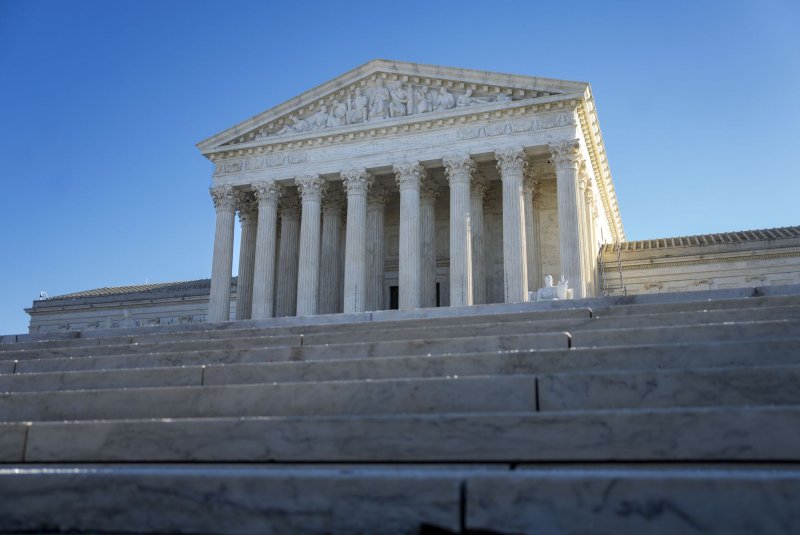
The U.S. Supreme Court has issued a ruling that limits the executive branch’s authority to impose broad tariffs without congressional approval. The decision is seen as a major victory for constitutional checks and balances in trade policy.
The Court’s ruling stems from challenges over sweeping tariffs that had been implemented on imported goods. Lawmakers and legal experts argued that such actions exceeded executive authority and bypassed legislative oversight. By requiring congressional approval, the decision reinforces the separation of powers in shaping trade policy.
Legal analysts said the ruling could have significant implications for future trade negotiations and policy decisions. By clarifying the limits of executive power, it ensures that major trade measures are subject to democratic accountability.
The decision has been welcomed by both lawmakers and business groups who had expressed concern over sudden tariff changes. Industries affected by previous tariffs, including manufacturing, agriculture, and technology, may now see more predictable trade policies and fewer sudden disruptions in supply chains.
Economists noted that requiring legislative approval for broad tariffs could lead to more deliberate and transparent policymaking. Companies can better plan investments and operations when trade measures are subject to oversight and debate in Congress.
The Supreme Court’s ruling also underscores the judiciary’s role in maintaining constitutional balance. By checking executive authority, the Court ensures that major economic policies reflect the will of elected representatives, rather than unilateral decisions by the administration.
Trade experts said the ruling may influence international negotiations. Other countries observing U.S. trade practices may respond more confidently when policies are subject to legislative oversight and stability. This could foster stronger bilateral and multilateral trade relationships.
Businesses affected by previous tariff actions are evaluating how the ruling may impact pricing, imports, and exports. Analysts suggest that long-term market planning will benefit from the added predictability and reduced risk of sudden policy shifts.
The decision comes amid ongoing debate over trade powers and the scope of executive authority. By setting limits, the Court has clarified the legal framework governing tariffs and reinforced the importance of Congress in major economic decisions.
Observers said the ruling could also affect how future administrations approach trade policy. Executive proposals will likely be developed in consultation with Congress to ensure compliance with constitutional requirements.
Investors and market participants reacted positively to the decision, noting that clearer rules around tariffs reduce uncertainty and help stabilize markets. Legal and business communities are now closely monitoring how Congress and the executive branch implement the ruling in practical trade policy.
The Supreme Court tariff ruling reaffirms that constitutional checks and balances remain central to U.S. governance. By limiting executive overreach, the decision protects legislative authority, strengthens transparency, and ensures that trade measures are enacted responsibly and with proper oversight.
