


Renewed Focus on European Deterrence
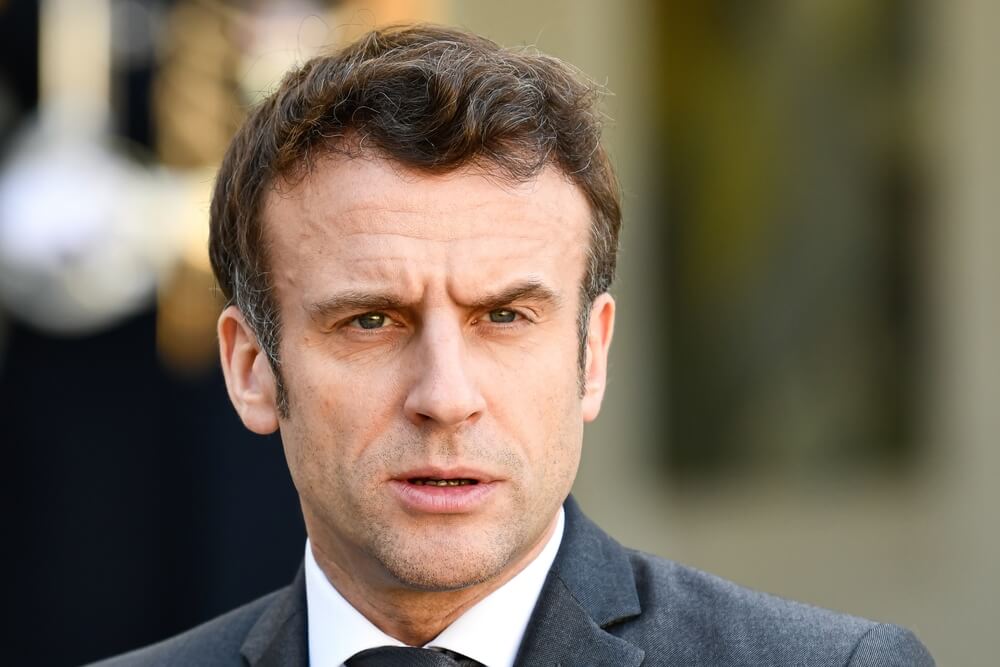
President Emmanuel Macron is set to outline France’s vision for its nuclear deterrent and how it could contribute more broadly to Europe’s security. Speaking from the Île Longue peninsula — home to France’s four nuclear-powered ballistic missile submarines — Macron is expected to stress that any expanded role for France’s deterrent would complement, not replace, the protection offered by the United States.
France and the UK remain Europe’s only nuclear-armed powers. When Macron first floated the idea in 2020 of involving European partners more closely in France’s nuclear strategy, the proposal received little attention. Now, amid shifting global dynamics, the idea is gaining renewed interest.
A Changing Geopolitical Landscape
The security environment in Europe has transformed dramatically in recent years. Russia’s full-scale invasion of Ukraine exposed vulnerabilities in European defence, while the return of Donald Trump to the White House has prompted questions about Washington’s long-term commitment to European security.
Concerns deepened after Trump publicly threatened military action against NATO ally Denmark over Greenland. Although European leaders continue to affirm their belief in the strength of the transatlantic alliance, uncertainty lingers — particularly as the US considers shifting more of its military focus toward the Indo-Pacific.
At the same time, global nuclear tensions are rising. Russia is developing new hypersonic weapons, China is rapidly expanding its arsenal, and questions remain over Iran’s nuclear ambitions. French officials argue that this environment is driving fresh interest among European partners in discussing nuclear deterrence, though they insist such talks are not intended to compete with NATO.
France’s Doctrine and Cooperation with the UK
France’s nuclear policy is built on the principle of “strict sufficiency,” maintaining only the number of warheads deemed necessary to inflict unacceptable damage on any aggressor. With roughly 300 warheads, France’s arsenal is far smaller than those of the US and Russia, which each possess thousands.
French officials emphasize that Paris is not seeking to enter a new arms race but to ensure credible deterrence. Meanwhile, cooperation between France and the UK has deepened. Under the Northwood Declaration signed last summer, the two countries established a Nuclear Steering Group and increased participation in joint exercises, strengthening coordination between Europe’s two nuclear powers.
