


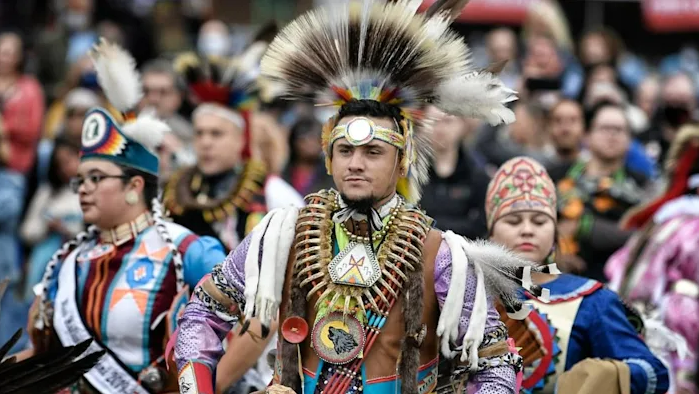
Federal recognition of the Lumbee Tribe of North Carolina could bring meaningful improvements to education, healthcare, and economic opportunities for tens of thousands of people. After decades of seeking equality, the tribe is closer than ever to gaining official recognition.
Recognition would formally acknowledge the Lumbee Tribe as a sovereign nation. This status allows access to federal programs that fund schools, healthcare services, housing, and economic development projects. Tribal leaders say these resources would help lift community members and improve overall well-being.
Education is expected to be a major beneficiary. Federal funding could support schools, scholarships, and vocational programs, giving students more opportunities for higher education and career training. Tribal leaders hope this will create a new generation prepared for success in a changing economy.
Healthcare access would also improve. The tribe would become eligible for services through the Indian Health Service, ensuring residents can receive preventive care, treatment for chronic conditions, and emergency services. Advocates note that better healthcare can reduce long-term costs and improve quality of life.
Economic development is another critical area. Federal recognition and associated programs could support small businesses, infrastructure projects, and workforce training. This would help the Lumbee community build sustainable growth and reduce poverty rates over time.
The Lumbee Tribe has sought federal recognition for decades, facing complex legal and political hurdles. Tribal members describe this as a long struggle for equality, and recognition is seen as a historic milestone in that journey.
Experts say that recognition goes beyond funding. It also strengthens the tribe’s voice in federal policy and allows the Lumbee to manage lands, resources, and community programs with greater autonomy. Land held in trust could support housing, cultural projects, and long-term planning.
Some critics have raised concerns about costs, but advocates argue that the long-term social and economic benefits outweigh short-term expenditures. They stress that recognition provides justice and practical support to a community that has contributed to the region for generations.
Tribal leaders are optimistic about the impact of recognition. They envision stronger schools, healthier families, and new economic opportunities that could benefit tens of thousands of members. The community sees this as a turning point in their fight for equality.
Recognition could also help preserve Lumbee culture. Funding and land management authority would enable programs to maintain language, traditions, and cultural heritage, ensuring these elements are passed down to future generations.
Federal recognition is part of a broader effort to support historically underrepresented tribes. For the Lumbee, it represents both justice and a practical framework for long-term growth, helping the community thrive socially, economically, and culturally.
By improving education, healthcare, and economic opportunities, federal recognition could finally reverse decades of struggle. Tribal leaders and members alike see this as a chance to secure a stable, prosperous future for the Lumbee people.
