


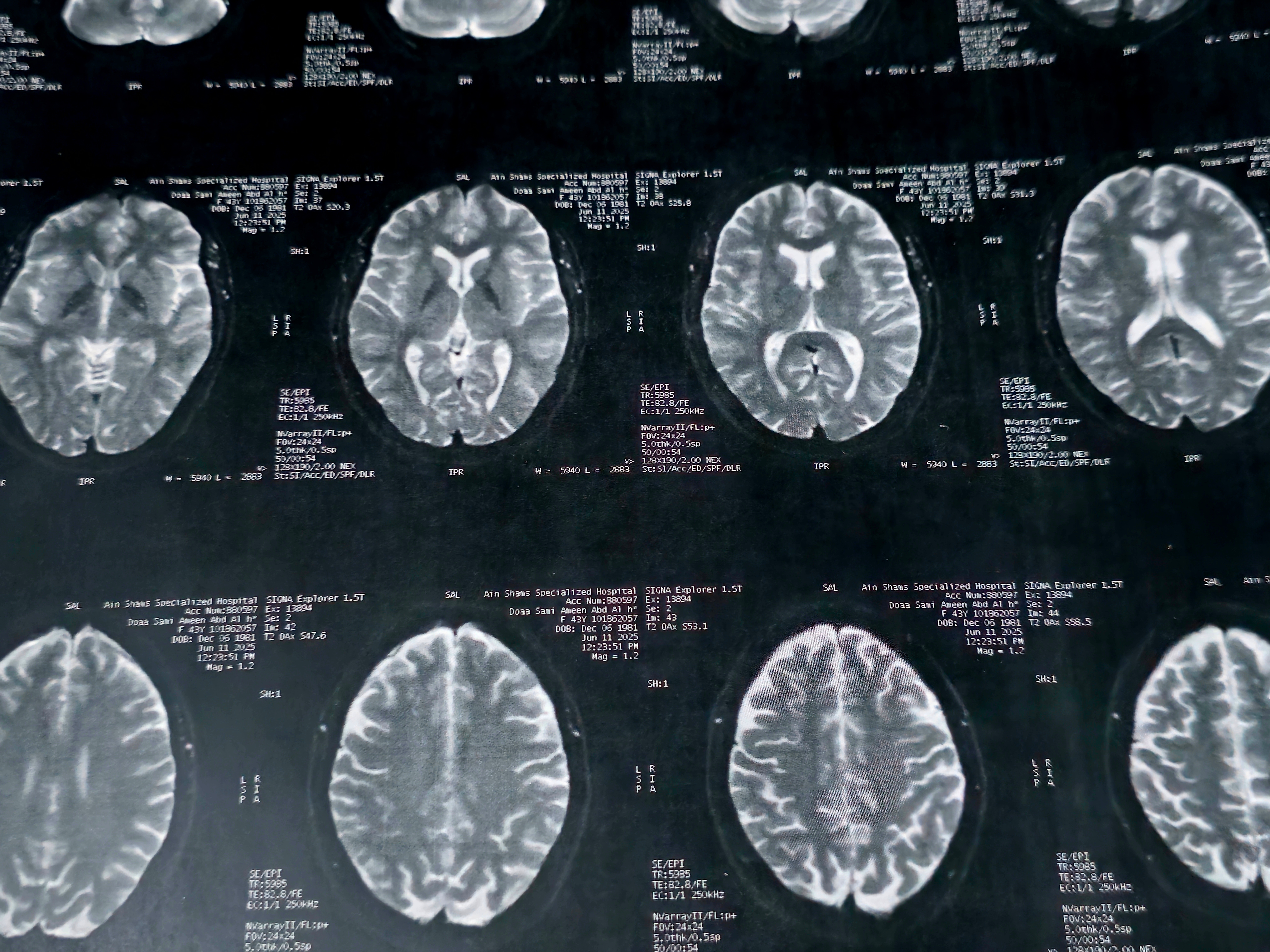
Scientists have identified five major stages of brain development, with research showing that the adult brain does not fully enter its mature phase until the early 30s.
The study, which analysed brain scans from nearly 4,000 people ranging from infancy to 90 years old, found that brain development follows five distinct “epochs,” separated by four key turning points at roughly ages 9, 32, 66 and 83.
Researchers found that childhood brain development lasts from birth to around age nine, followed by a long adolescent phase that extends into the early 30s. The strongest shift in brain organisation occurs at about age 32, when the brain enters its longest and most stable “adult” phase.
Between birth and childhood, the brain undergoes “network consolidation,” where excess neural connections are trimmed and only the most active ones are preserved. During adolescence, white matter continues to grow and the brain becomes more efficient at transmitting information, supporting improvements in thinking and performance.
After about age 32, brain structure becomes more stable, with regions becoming more specialised. This phase is linked to a plateau in intelligence and personality development.
The next major transition occurs around age 66, marking the start of early ageing, followed by a late ageing phase from around age 83. These later stages are characterised by declining connectivity due to degeneration of white matter.
Researchers said the findings could help explain why certain mental health conditions tend to emerge during adolescence and may help identify when the brain is most vulnerable to disruption.
