


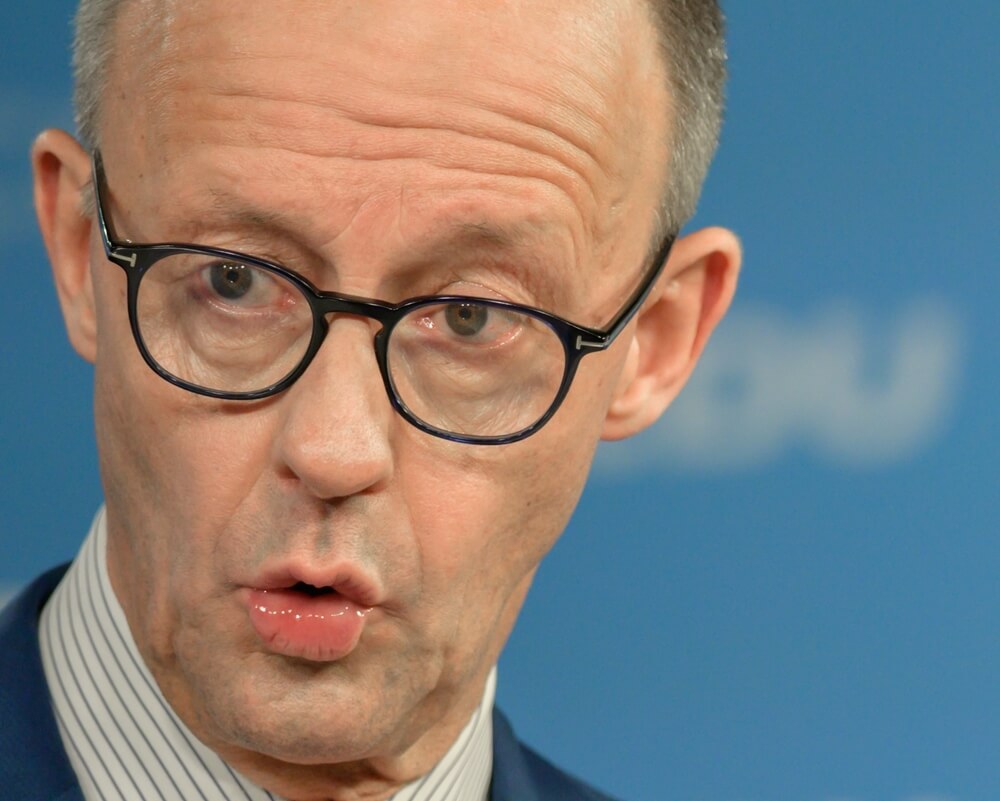
Germany’s new chancellor is pushing hard for Europe to deepen its global trade ties, signalling that a long-awaited free trade agreement with India could be signed within weeks — even as another EU trade pact triggers backlash at home.
Germany Drives Momentum for an EU–India Agreement
Speaking during a visit to India, German Chancellor Friedrich Merz said European Commission President Ursula von der Leyen and European Council President Antonio Costa could finalize a free trade agreement with New Delhi by the end of the month. He framed the deal as a crucial step in keeping markets open at a time when protectionist policies are resurging worldwide.
Merz warned that global trade is increasingly being shaped by nationalist policies, particularly in the United States and China, and argued that Europe must respond by strengthening partnerships elsewhere. He praised India as the fastest-growing economy in the G20 and a key strategic partner in the Indo-Pacific region.
Plans for an EU–India summit were floated in Brussels earlier this year as negotiations accelerated, though previous hopes of closing the deal by the end of 2025 fell short. Now, Merz believes talks are in their final phase and that a signing could happen as early as late January.
Trade Talks Face Hurdles Over Green Rules
Behind the optimism, major sticking points remain. India’s Commerce Minister Piyush Goyal recently traveled to Brussels for high-level discussions with EU trade chief Maroš Šefčovič, who has acknowledged that negotiations have been tough — particularly on sustainability commitments.
Disagreements persist over environmental standards and enforcement mechanisms, especially the EU’s Carbon Border Adjustment Mechanism, which India views as a potential barrier to its exports. Still, both sides are under pressure to find common ground as they navigate growing trade friction with the US and China.
Merz expressed confidence that the agreement would send a strong message that Europe remains committed to open trade and international cooperation.
Mercosur Deal Triggers Political Tensions in France
The push for broader trade partnerships comes just days after EU member states backed the controversial Mercosur free trade agreement with South American nations — a deal strongly supported by Germany. However, it has ignited fierce resistance in France, where farmers fear being undercut by cheaper Latin American imports.
French President Emmanuel Macron now faces mounting political pressure, with both far-right and far-left parties threatening to challenge his government. Meanwhile, von der Leyen is expected to travel to Paraguay on 17 January to formally sign the Mercosur agreement.
As Europe races to diversify its trade relationships, Merz’s ambitious agenda highlights a continent eager to expand its global partnerships — but not without domestic political costs along the way.
