


A plan to nourish humanity and heal the Earth
By 2050, the entire global population could have access to healthy, culturally appropriate food while protecting the planet, a new scientific report finds. The key lies in adopting a “planetary health diet,” reducing food waste, and improving agricultural productivity. The 2025 EAT-Lancet Commission on Healthy Diets From Sustainable Food Systems says this transformation could feed 9.6 billion people equitably and sustainably.
Researchers also found that such changes could cut greenhouse gas emissions from food systems by more than half. Currently, about 30% of global emissions come from producing, processing, and transporting food, as well as from clearing forests for farmland.
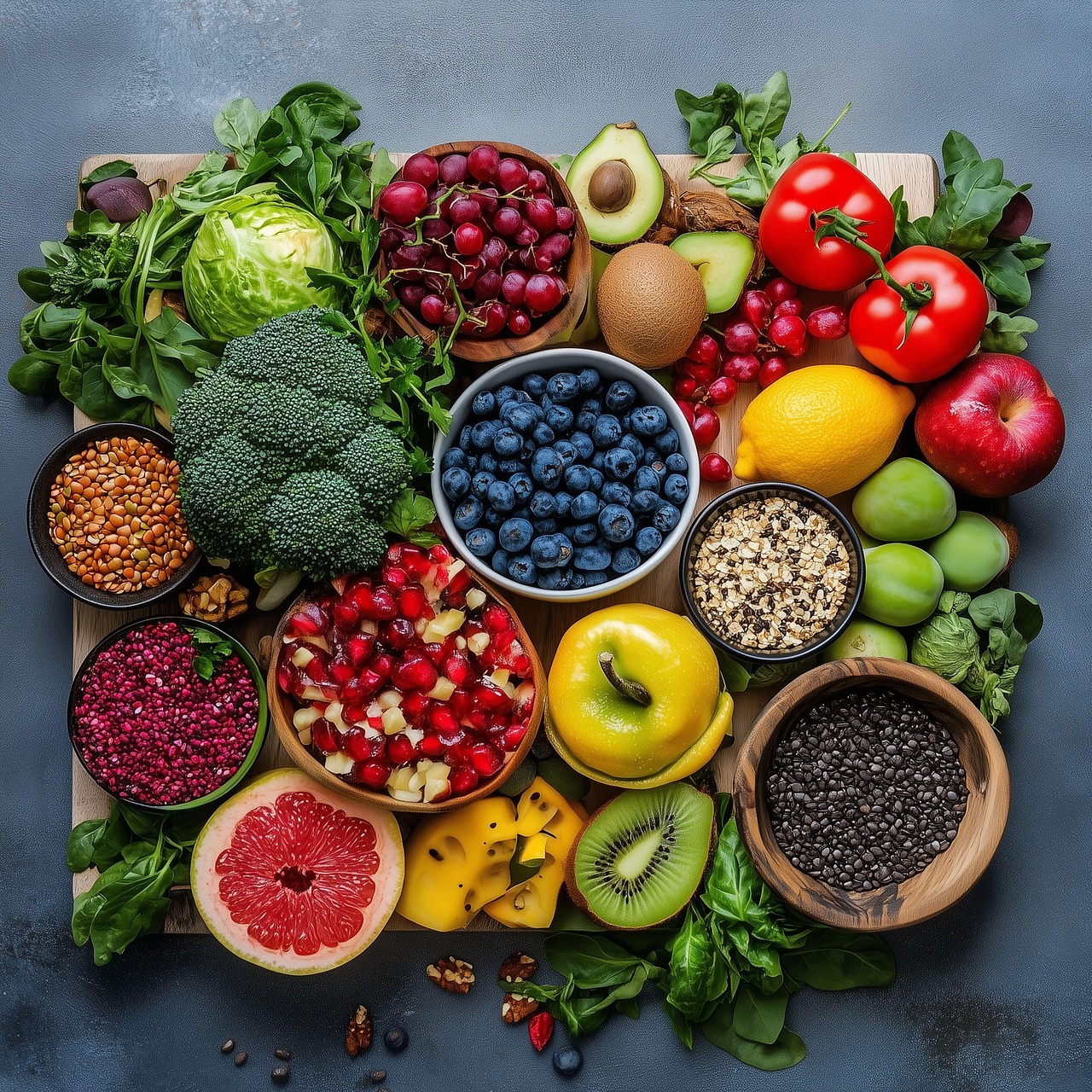
Inside the planetary health diet
The planetary health diet focuses on fruits, vegetables, legumes, nuts, and whole grains. It allows moderate portions of meat and dairy while limiting added sugars, salt, and saturated fats. “This is a diet that supports both people and the planet,” said Dr. Walter Willett, professor at Harvard T.H. Chan School of Public Health.
He suggests one serving of dairy and one serving of animal protein daily — such as fish, poultry, eggs, or meat. Red meat, including beef and pork, should be limited to about 4 ounces once a week. “This isn’t about restriction,” Willett explained. “It’s a balanced approach, much like the Mediterranean diet — moderate, varied, and sustainable.”
Changing diets alone is not enough
Commission co-chair Johan Rockström, director of the Potsdam Institute for Climate Impact Research, said the shift must go beyond personal food choices. “We must also reduce food waste and adopt sustainable land and water management,” he said. “The real challenge is producing healthy food that everyone can afford.”
Industry backlash and misinformation
The first EAT-Lancet Commission report, published in 2019 with The Lancet medical journal, estimated that following the planetary health diet could prevent 11.6 million premature deaths annually. The updated 2025 report now raises that number to 15 million. In the United States alone, about 31% of premature adult deaths could be prevented.
Transforming the global food system could also save $5 trillion each year by restoring ecosystems, improving health, and mitigating climate change. The investment needed to achieve this — between $200 and $500 billion — is only a fraction of the potential gains.
Still, the report has faced strong opposition from the meat and dairy industries. In 2019, campaigns like #YestoMeat spread online to discredit the findings. “We see similar misinformation returning,” Rockström said. “It’s part of a broader denial of climate science.”
Willett also pointed to the “Make America Healthy Again” campaign, led by U.S. Health and Human Services Secretary Robert F. Kennedy Jr., which promotes meat-heavy diets while minimizing the climate effects of livestock. “This report matters because it’s built on the best global evidence,” Willett said.
The future of food production
If current farming trends continue, greenhouse gas emissions from agriculture could rise by 33% by 2050. Nearly 70% of Earth’s ecosystems have already lost more than half their natural areas, mostly to agriculture. The commission says adopting the planetary health diet could cut emissions by 60% compared to 2020 levels.
Cattle numbers would drop by 26%, freeing up 11% of land now used for grazing. “That’s essential,” Willett said. “It could help stop deforestation in regions like the Amazon, where vast areas are cleared for animal feed.”
At the same time, aquatic food production could rise by 46%. Vegetable output could grow by 42%, fruit by 61%, nuts by 172%, and legumes by 187%. Overall, global food prices could drop by about 3%.
Tools for a fair and sustainable food system
Commission member Christina Hicks, a professor at Lancaster University, said the wealthiest 30% of people cause more than 70% of all food-related environmental impacts. Fewer than 1% of people currently meet their food needs without harming the planet.
To fix this imbalance, the commission recommends redirecting agricultural subsidies from meat and dairy to sustainable crops like legumes, vegetables, fruits, and grains. Governments could also tax foods high in sugar, salt, and saturated fats while making healthy foods more affordable. “We must also increase people’s purchasing power so that nutritious food is within reach for all,” said Line Gordon, director of the Stockholm Resilience Centre.
Protecting traditional, plant-based diets worldwide will also be crucial. “We’re not prescribing a single global diet,” Willett said. “The planetary health diet celebrates diversity and tradition. With small adjustments, it can nourish people everywhere while protecting the planet.”
