


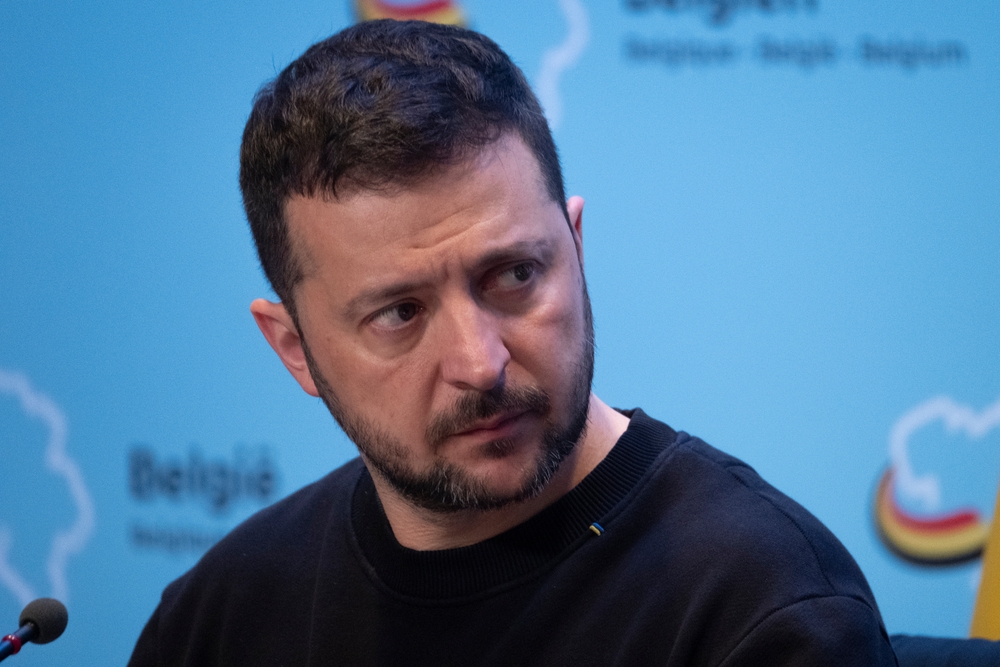
Europe Must Be at the Negotiation Table
At the Munich Security Conference, Volodymyr Zelenskyy delivered a stark warning: Europe’s limited involvement in U.S.-led peace talks with Russia is a “big mistake.” He argued that any lasting resolution must address the security interests of the entire continent, not just Ukraine and the United States.
Zelenskyy’s comments echoed Emmanuel Macron’s recent call for Europe to reassess its defense framework in response to Moscow’s increasingly aggressive posture. Ukraine will hold another round of trilateral talks with the U.S. and Russia next week, but Zelenskyy admitted progress has been slow and frustrating, with parties often “talking about completely different things.”
He also criticized the repeated focus on concessions from Ukraine alone, warning that allowing one-sided compromises risks rewarding aggression rather than deterring it.
Security Guarantees and EU Accession
Kyiv continues to demand binding security guarantees before signing any peace agreement. Zelenskyy stressed that peace cannot last without a clear system to protect Ukraine, with Europe expected to take on much of the responsibility while the U.S. provides a crucial backstop.
He confirmed that Ukraine has prepared detailed proposals and is ready to formalize agreements with both European partners and the United States. Zelenskyy also said a clear timeline for Ukraine’s EU membership should be part of any settlement, noting accession could technically happen as early as 2027.
On the topic of elections — a point raised by Donald Trump — Zelenskyy said he would only consider holding a vote if a genuine ceasefire is in place. Soldiers on the front lines would otherwise be unable to participate, making a fair election impossible. In a pointed comment toward Moscow, he added that a ceasefire could also enable free elections in Russia, where Vladimir Putin has ruled for over two decades.
Cutting Off Russia’s Energy Lifeline
Zelenskyy also called on partners to tighten restrictions on Russia’s energy revenues, which remain critical to funding its war effort. Despite sanctions, more than 1,000 tankers continue to operate near European waters, forming what he called “floating wallets” for the Kremlin.
He urged stronger enforcement, including detaining, blocking, or even confiscating vessels that circumvent sanctions. Zelenskyy said he recently discussed these measures with Macron and Ursula von der Leyen, and the EU is preparing a new sanctions package as the conflict enters another year.
“Without oil money,” Zelenskyy emphasized, “Putin would not have money for this war.”
