


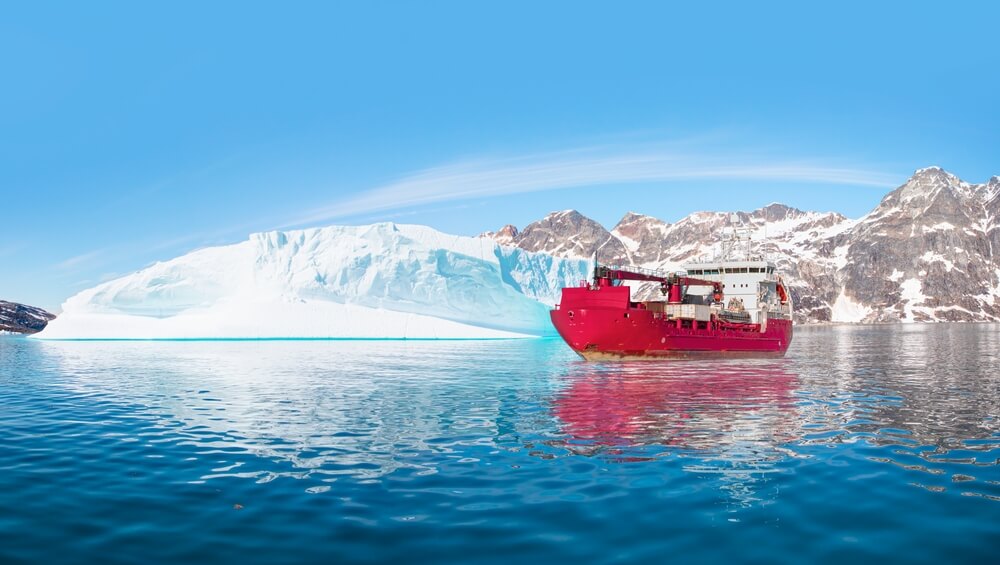
Soot and Shipping: A Dangerous Feedback Loop
As the Arctic warms at unprecedented rates, previously frozen sea routes are opening up to commercial traffic. Cargo ships, fishing vessels, and cruise liners are now navigating waters that were once impassable, but this activity comes at a steep environmental cost. Soot, or black carbon, emitted by ships settles on ice and snow, darkening surfaces and causing them to absorb more heat instead of reflecting sunlight. “It ends up in a never-ending cycle of increased warming,” says Sian Prior, lead adviser for the Clean Arctic Alliance. This accelerated melting not only threatens Arctic ecosystems but can also disrupt weather patterns globally.
Efforts to Clean Up Arctic Shipping
Countries including France, Germany, Denmark, and the Solomon Islands have proposed that ships north of the 60th parallel switch to cleaner “polar fuels,” which release far less black carbon than conventional heavy marine fuels. While a 2024 ban on heavy fuel oil has been introduced, loopholes and exceptions mean some ships can continue using it until 2029. Environmental advocates argue that regulating fuels is the most practical way to reduce emissions, as limiting shipping traffic itself is unlikely due to the economic appeal of shorter Arctic routes for trade and resource extraction.
Politics and Profit Complicate Regulation
Efforts to curb Arctic pollution face resistance from geopolitical tensions and economic interests. U.S. political positions, like former President Trump’s comments on Greenland, have shifted focus away from climate concerns. Even within Arctic nations, industries such as fishing hold significant influence, slowing adoption of greener practices. In Iceland, for example, while the country excels in renewable energy, stricter regulations on shipping emissions remain limited due to industry pushback. Meanwhile, Arctic shipping continues to surge: between 2013 and 2023, vessel numbers north of the 60th parallel rose 37%, and the distance they traveled increased 111%, driving black carbon emissions ever higher. Scientists warn that without strong fuel regulations, the Arctic’s rapid warming is likely to accelerate.
