


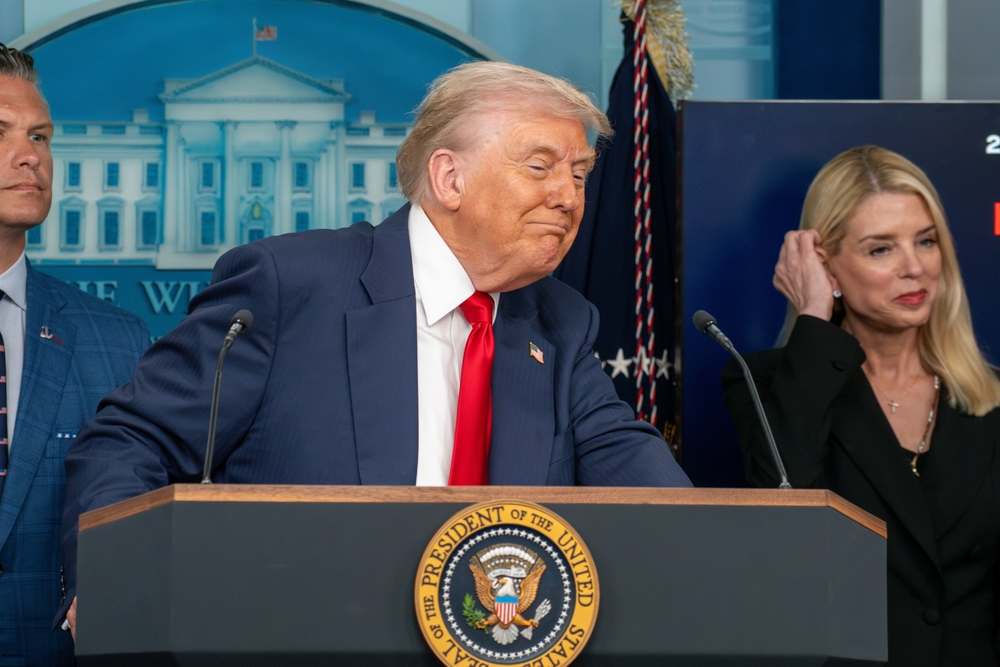
President Donald Trump announced on Monday that the US will lower tariffs on Indian goods to 18%, down from 25%, after Prime Minister Narendra Modi agreed to stop importing Russian oil. The move follows months of pressure from Washington, which has accused New Delhi of helping bankroll Russia’s war in Ukraine by buying discounted crude.
Trump also said India would begin phasing out import taxes on American goods and commit to purchasing $500 billion worth of US products, marking what he called a major reset in the trade relationship between the two countries.
“This will help end the war in Ukraine, which is taking place right now, with thousands of people dying each and every week,” Trump wrote on Truth Social.
Modi welcomed the announcement, calling Trump’s leadership “vital for global peace, stability and prosperity,” and described their phone call as “wonderful.” He did not, however, directly address the claim about halting Russian oil purchases.
Russia, oil and an uneasy partnership
India’s continued reliance on Russian oil has been a sticking point for the US since Moscow’s invasion of Ukraine in 2022. While much of Europe cut back sharply, India increased its imports, taking advantage of steep discounts.
Last year, Russia accounted for nearly 36% of India’s crude imports — roughly 1.8 million barrels per day. Moscow has openly courted New Delhi, with President Vladimir Putin saying as recently as December that Russia was ready to continue uninterrupted fuel shipments despite US pressure.
Trump has argued that squeezing Russia’s oil revenue is the fastest way to force an end to the war, a view that aligns with his broader use of tariffs as a foreign policy tool. Still, his promise to quickly end the conflict has so far remained unfulfilled, and he has faced criticism for avoiding direct pressure on Putin.
How tariffs became leverage
Trade tensions between Washington and New Delhi have been building for months. In June, Trump threatened a 25% tariff on Indian goods, citing a widening trade surplus and limited access for US exporters. By August, he added another 25% levy specifically tied to India’s Russian oil purchases, pushing the total tariff burden to 50%.
With India’s reported commitment to drop Russian oil imports, the White House says the extra penalties will be removed, bringing the rate down to 18% — close to the levels applied to the EU and Japan.
A US official confirmed that the additional 25% tariff imposed in August would be scrapped entirely as part of the deal.
A shifting global trade map
The tariff announcement comes just days after India and the European Union finalized a long-awaited free trade agreement covering nearly all goods and potentially affecting up to 2 billion people. That deal lowers barriers on everything from textiles to pharmaceuticals and reduces import taxes on European wine and cars.
The EU-India agreement also reflects a broader effort by major economies to reduce reliance on the US after Trump’s aggressive use of tariffs disrupted global trade flows. While American consumers and businesses have borne much of the cost, the measures have also pushed countries like India to accelerate new trade partnerships.
In recent months, New Delhi has signed a trade deal with Oman and wrapped up negotiations with New Zealand, signaling a clear push to diversify its economic ties as global politics and trade continue to shift.
