


Governments are facing mounting pressure to confront the outsized role of extreme wealth in the climate crisis. Activists and policy groups are calling for bans on high-polluting luxury goods and tougher taxes on fossil fuel profits, arguing that bold action is needed to keep global climate targets within reach.
New research from Oxfam highlights the staggering imbalance in global emissions. The richest one per cent of people had already burned through their entire annual carbon budget just ten days into 2026. This point marks when emissions exceed levels compatible with limiting global warming to 1.5°C, a threshold campaigners have labelled “Pollutocrat Day.” Even more alarming, the wealthiest 0.01 per cent exhausted their yearly allowance in only three days. Oxfam warns that this elite group must cut emissions by 97 per cent by 2030 to align with the Paris Agreement.
Power, Influence and Fossil Fuel Investments
The climate impact of the super-rich goes far beyond private jets and super-yachts. Oxfam’s analysis shows that wealthy individuals and major corporations hold vast investments in fossil fuel industries while wielding significant influence over political decisions.
At the COP30 climate summit in Brazil, fossil fuel lobbyists formed one of the largest delegations, with more than 1,600 attendees. Oxfam’s climate policy lead, Nafkote Dabi, says such concentrated wealth and power enables elites to weaken climate negotiations and delay meaningful progress.
The report estimates that an average billionaire’s investment portfolio is connected to companies emitting around 1.9 million tonnes of CO₂ per year, locking the world into future climate damage. Emissions produced by the richest one per cent in a single year could contribute to 1.3 million heat-related deaths by the end of the century and cause up to $44 trillion in economic losses by 2050, hitting low- and middle-income nations the hardest.
Making Rich Polluters Pay
Oxfam is urging governments to ensure wealthy polluters shoulder responsibility for their climate impact. Proposals include higher wealth and income taxes, along with a “Rich Polluter Profits Tax” on oil, gas and coal companies that could raise up to $400 billion in its first year. This amount is comparable to the climate damage costs already faced by countries in the Global South.
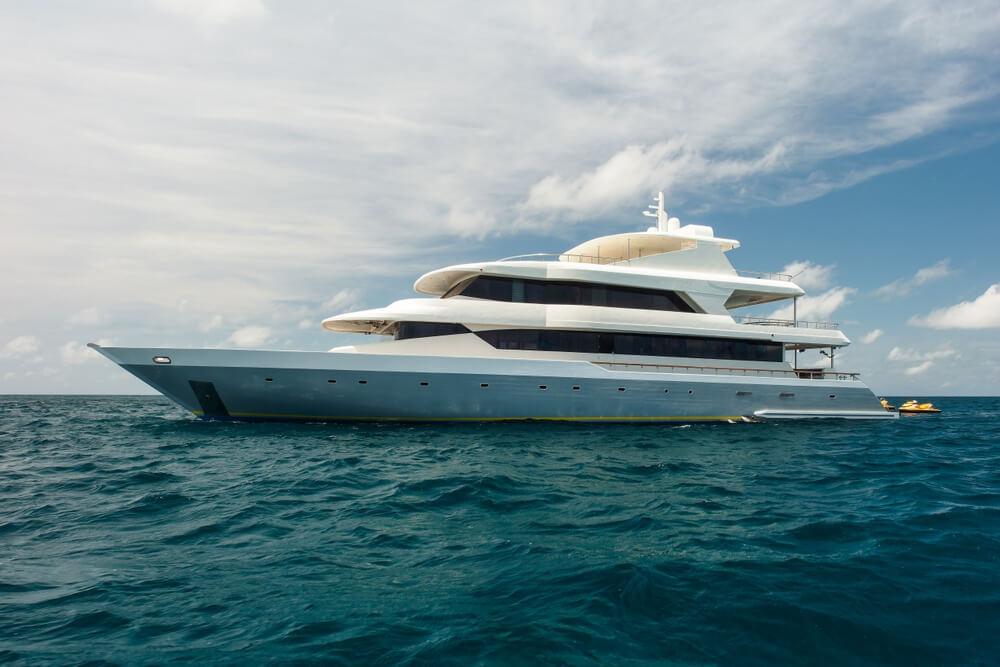
The organisation is also calling for bans or heavy taxes on carbon-intensive luxury goods such as private jets and super-yachts. A super-rich European can produce as much carbon in a week of luxury travel as someone in the world’s poorest one per cent does in a lifetime.
Campaigners argue that targeting extreme carbon inequality offers one of the clearest routes to slashing emissions and reducing global inequality. By confronting the excesses of the ultra-rich, governments could take a major step toward meeting climate goals and protecting the world’s most vulnerable communities.
