


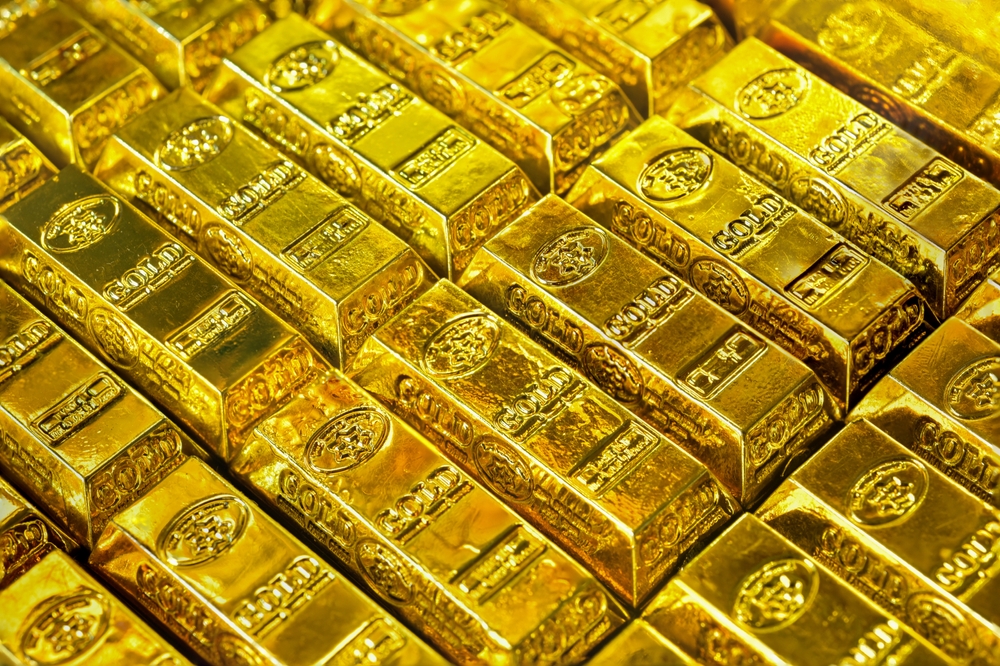
Gold and silver ended the year with sharp volatility after an extraordinary rally. Both metals moved toward their strongest annual gains since 1979. Trading stayed nervous into the final days. Investors reacted to monetary signals, political risks, and fragile markets.
Gold prices surged more than 60 percent during the year. The metal reached a record level above 4,549 dollars per ounce. Prices retreated after Christmas. Gold stood near 4,330 dollars per ounce on New Year’s Eve.
Silver followed a similarly volatile path. The metal traded close to 71 dollars per ounce at year end. Earlier in the week, silver touched an all-time high of 83.62 dollars per ounce.
Expectations of easier policy lift precious metals
Several forces pushed prices sharply higher this year. Investors positioned for future interest rate cuts and steady demand. Analysts warned that rapid rallies can create instability. Steep gains often raise correction risks.
Rania Gule from trading platform XS.com pointed to overlapping drivers. Economic trends, investment flows, and geopolitical tensions moved together. These factors supported higher gold and silver prices.
Gule said expectations of further US rate cuts in 2026 played a key role. Central banks expanded gold purchases throughout the year. Investors also sought safe-haven assets amid global uncertainty and rising tensions.
Inflation concerns steer investors toward safety
Dan Coatsworth from investment platform AJ Bell described strong defensive positioning. Inflation fears pushed investors toward precious metals. Volatile equity markets reinforced that behavior.
Coatsworth said the broader market picture looked similar entering 2026. High government debt remained a concern in the UK and the US. Tariff plans linked to Donald Trump added pressure. Anxiety over a possible artificial intelligence bubble unsettled investors.
These issues could keep demand strong for gold and silver. Coatsworth warned that recent gains increased vulnerability. Strong performance in 2025 raised the risk of pullbacks.
Rally leaves metals exposed to selling pressure
Coatsworth said financial stress could trigger fast selling. Investors often liquidate assets with recent strong returns. Gold matches that pattern and trades easily.
Rania Gule expects gold prices to keep rising in 2026. She anticipates slower and more stable growth. Prices may cool after the extremes seen in 2025.
Central banks worldwide added hundreds of tons of gold this year. The World Gold Council reported sustained buying. Official demand helped underpin prices.
Silver boosted by supply limits and industry demand
Daniel Takieddine of Sky Links Capital Group highlighted silver-specific drivers. Tight supply and industrial demand supported higher prices. Government policy decisions added further pressure.
China announced restrictions on silver exports. The country stands as the world’s second-largest silver producer. In October, the Ministry of Commerce confirmed new export controls. Officials cited resource protection and environmental priorities.
Elon Musk responded publicly to the policy. He warned about consequences for industry. He said many manufacturing processes rely heavily on silver.
Investment products attract heavy inflows
Takieddine also highlighted strong investment activity. Large sums flowed into precious metals through exchange-traded funds. These products expanded market access.
ETFs bundle assets and trade like single shares. Investors avoid handling physical bullion. This structure simplified trading in gold and silver.
Takieddine said silver could climb again next year. He urged caution despite optimism. Strong rallies may still face sharp corrections.
