


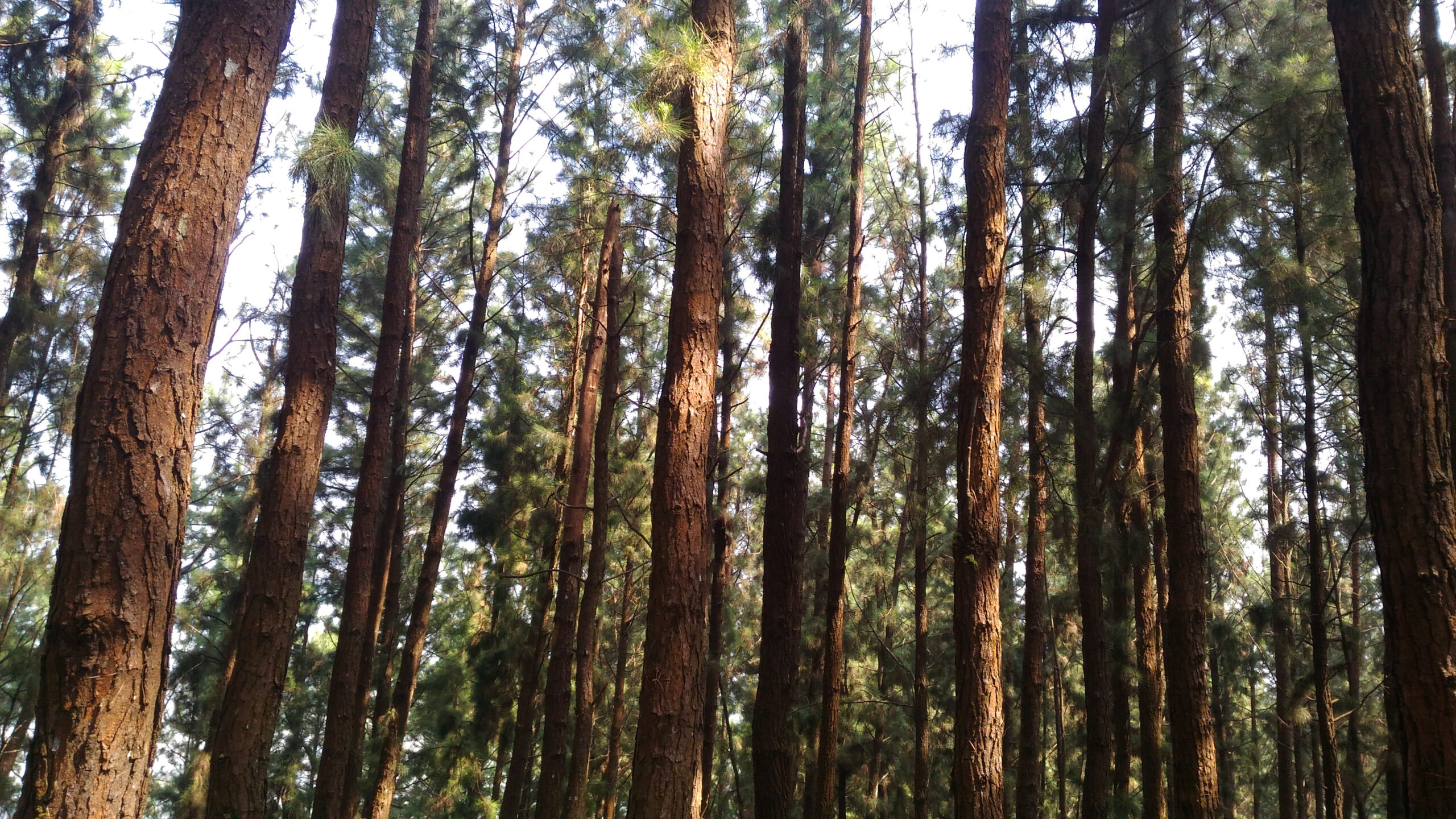
In Greece’s Peloponnese mountains, iconic Greek fir forests are dying on a scale that has alarmed scientists – even in areas untouched by fire. Researchers say a dangerous combination of climate pressures, rather than flames alone, is driving the decline.
Greek firs are usually resilient, adapted to drought, pests and periodic wildfires. But when forest researcher Dimitrios Avtzis surveyed a recent fire site, he found vast areas of dead and dying trees well beyond the burn zone. Whole hillsides of once-green forest were turning brown and orange.
The cause, experts say, is a stacking of climate-related stresses. Prolonged drought has weakened trees, while declining winter snowfall has reduced vital moisture reserves. Greece has lost an average of 1.5 days of snow cover per year over the past three decades, further drying soils.
This stress has opened the door to bark beetles, which bore under tree bark and disrupt water and nutrient flow. Once beetle populations reach outbreak levels, they are extremely hard to control. Similar die-offs are now being seen elsewhere in southern Europe, suggesting a wider ecological shift.
Some recovery is possible. Mediterranean forests can regenerate after fire, but recovery may take years and is uneven. Scientists stress that urgent government funding and coordinated forest management are needed to prevent further losses.
“We have the knowledge and the tools,” Avtzis says. “What we’re seeing now will become more frequent and more intense unless action is taken.”
