


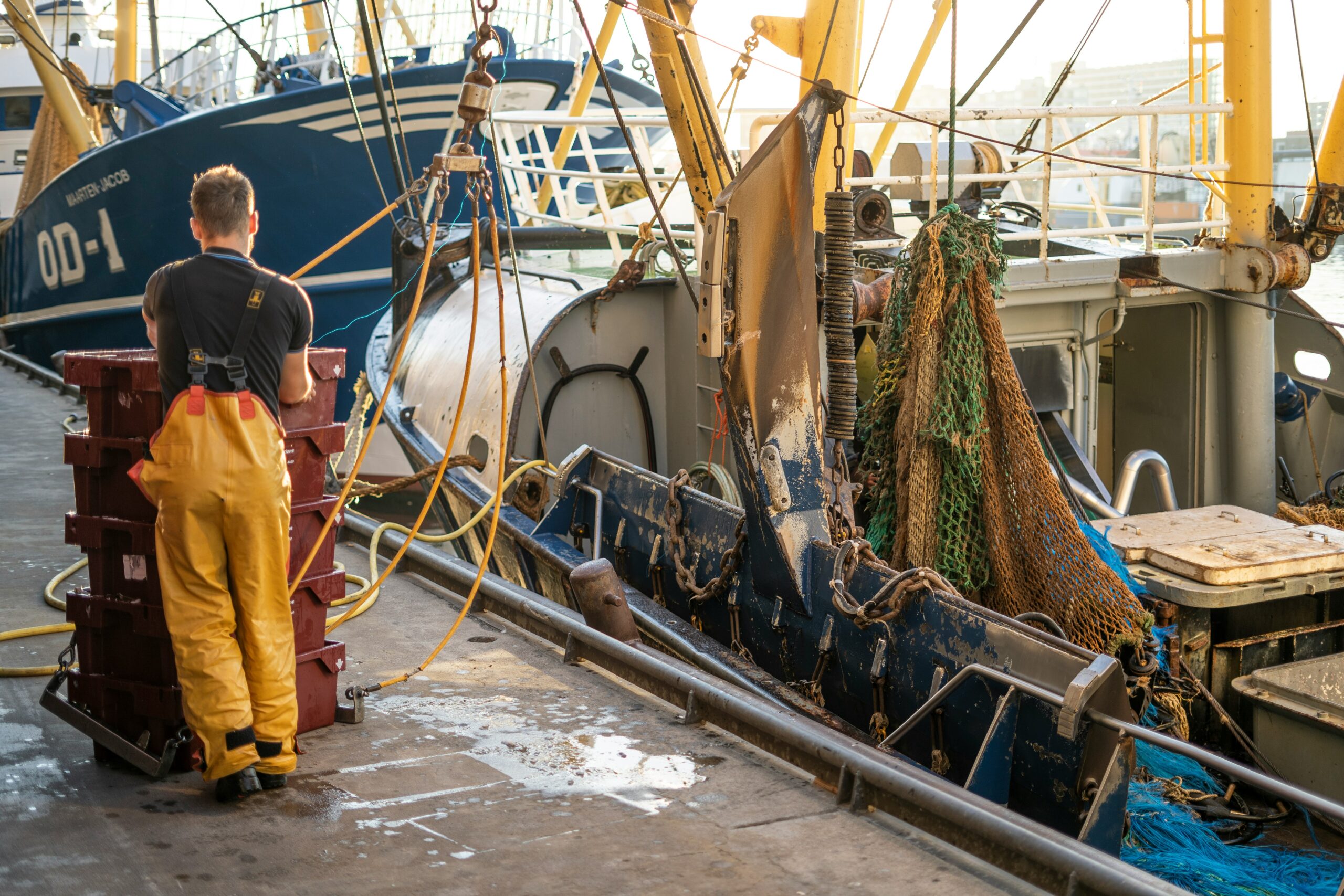
After two days of negotiations, EU fisheries ministers agreed on fishing quotas for 2026. The Council of Agriculture and Fisheries Ministers approved catch limits and rules on fishing effort, with some measures extending to 2028. The agreement covers key commercial stocks across the Atlantic, North Sea, Mediterranean, and Black Sea, giving the sector more predictable conditions.
Fishing effort combines vessel size, engine power, and total days at sea. All 27 Member States reached a compromise that balances scientific recommendations with economic realities for fisheries. Danish minister Jacob Jensen said the deal provides fishermen with clarity for 2026 while fostering sustainable practices for the future.
Northern waters see quota adjustments
In the Atlantic and North Sea, the EU manages 24 total allowable catches independently. Authorities increased quotas for certain species, such as megrim, which rose 12 percent south of the Bay of Biscay. Norway lobster quotas jumped 54 percent in the same area, reflecting healthier stock levels.
Other species faced reductions. Standard sole quotas fell 45 percent in the Kattegat and Baltic, horse mackerel dropped 5 percent in Portuguese waters, pollack fell 13 percent, and monkfish decreased by 1 percent. Mackerel remains unresolved, with ministers setting provisional quotas for the first half of the year, cutting limits by 70 percent while discussions continue among North-East Atlantic coastal nations.
Southern seas maintain cautious stability
In the Western Mediterranean, regulators kept trawler effort at 2025 levels and maintained blue and red shrimp limits to protect sensitive populations. In the Black Sea, turbot quotas slightly decreased compared with last year, reflecting a careful approach to managing stock sustainability in the region.
