


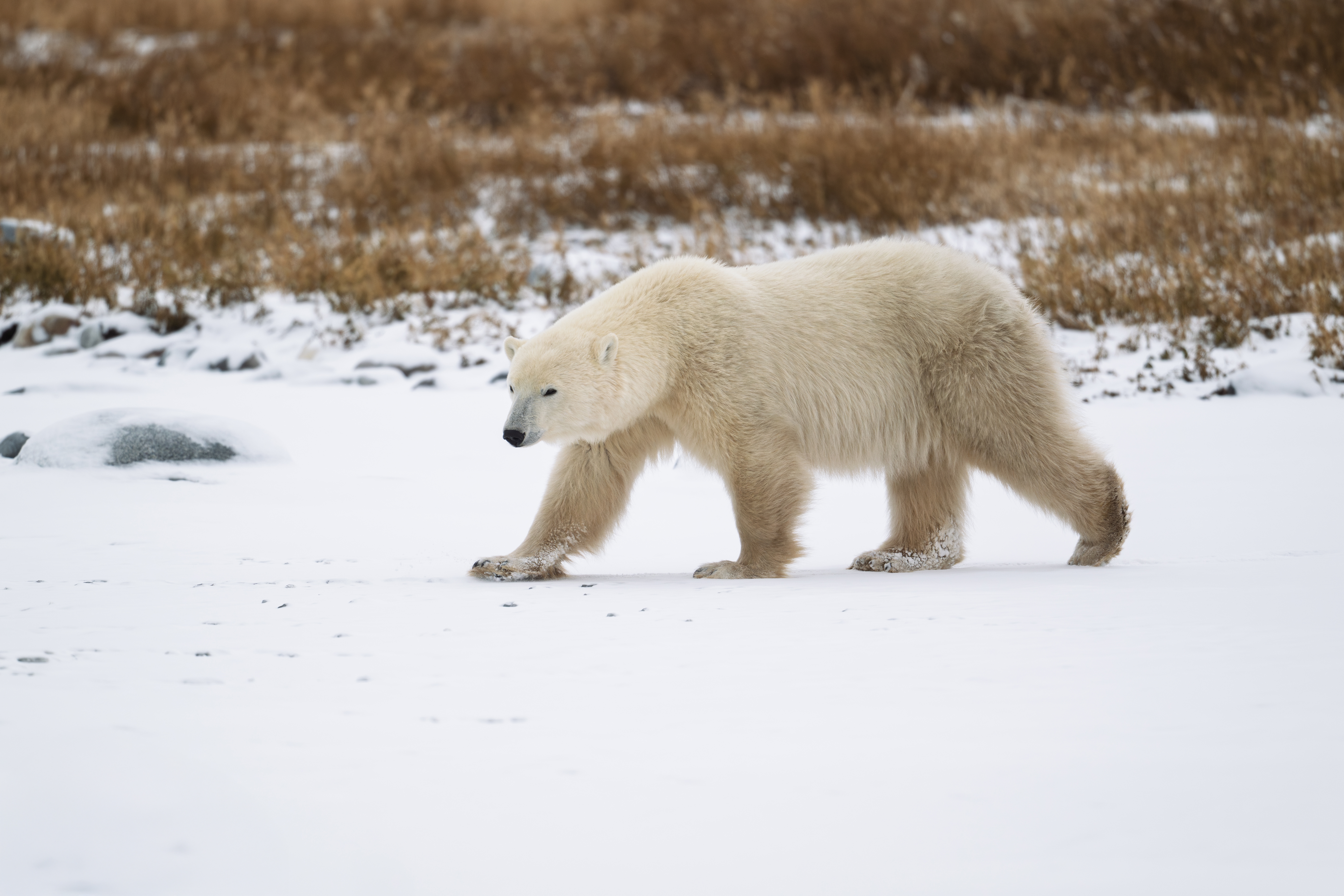
Scientists have found genetic differences in polar bears living in southern Greenland that could help them adapt to rising temperatures, offering cautious hope for the species as global heating accelerates.
Researchers from the University of East Anglia analysed blood samples from polar bears in two regions of Greenland and discovered that bears in the warmer south-east show increased activity in so-called “jumping genes” – mobile pieces of DNA that can alter how other genes function. These changes were linked to genes involved in heat stress, metabolism and ageing.
The study, published in Mobile DNA, is believed to be the first to show a statistically significant connection between climate change and DNA changes in a wild mammal. Scientists found that the bears living in the warmest, most variable environment showed more genetic changes than those in the colder, more stable north.
Some of the DNA changes were associated with fat processing and diet, potentially helping bears cope with reduced access to fatty seal prey as sea ice declines. However, researchers stressed that while the findings suggest a possible short-term survival mechanism, they do not reduce the overall threat facing polar bears.
The team said cutting greenhouse gas emissions remains essential, warning that genetic adaptation alone will not be enough to prevent major population losses as Arctic ice continues to disappear.
