


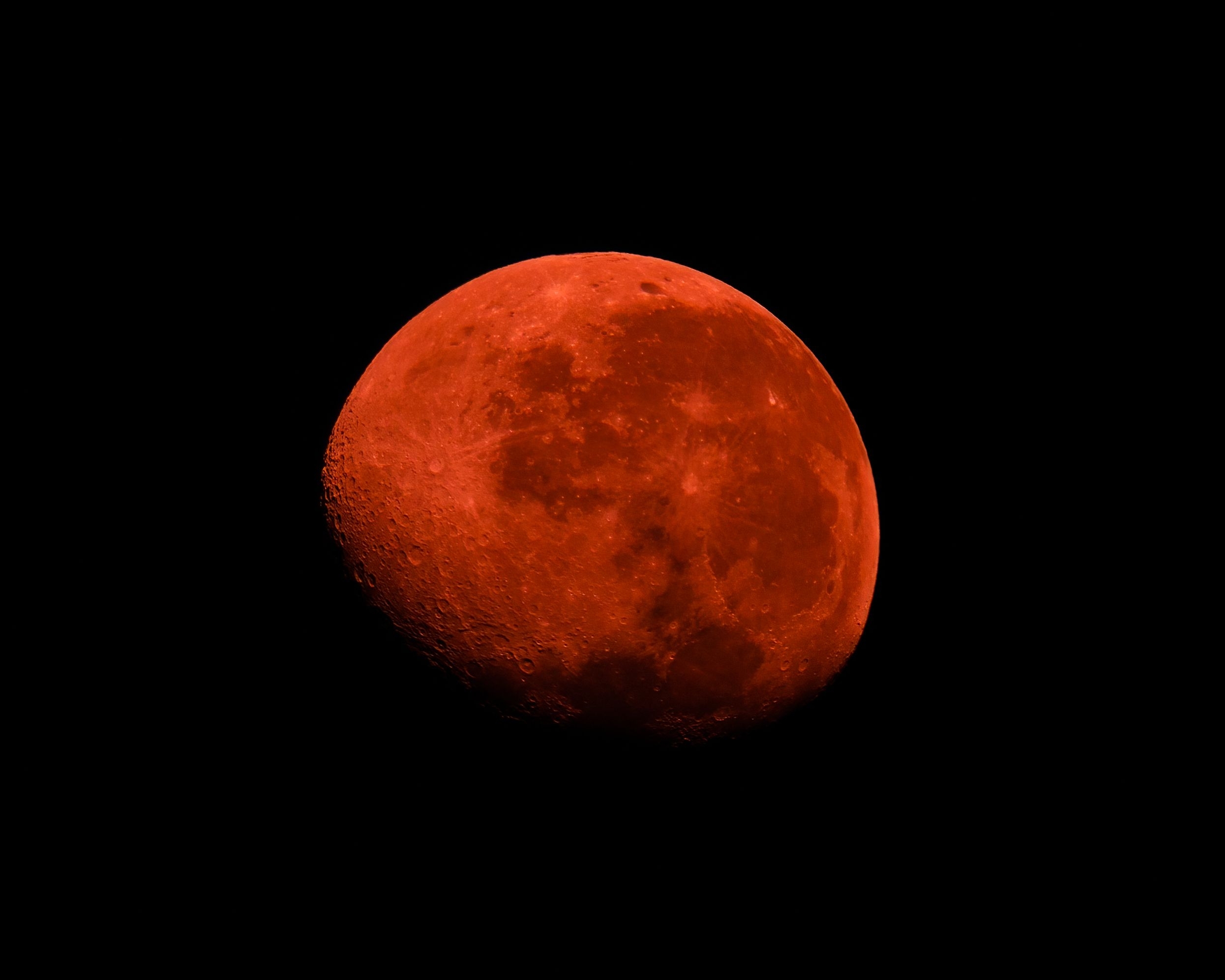
This Sunday, September 7, a blood-red lunar eclipse will be visible across much of Europe, the longest since 2022 at around 82 minutes. The rare spectacle, when the Earth’s shadow falls completely on the moon and refracted light turns it red, has fascinated cultures for centuries.
In ancient Babylon, China, and Central America, blood moons were seen as omens of war or disaster, while in West Africa’s Batammaliba culture, they symbolize reconciliation and renewal.
Today, science explains the phenomenon with precision, but interpretations remain divided. Astronomer Florian Freistetter calls astrology “esoteric nonsense,” while astrologer Silke Schäfer sees eclipses as part of a symbolic system with meaning for human life.
Whether viewed as a cosmic warning, a spiritual turning point, or simply a beautiful natural event, Europe’s night sky will host a spectacle that blends myth, science, and wonder.
